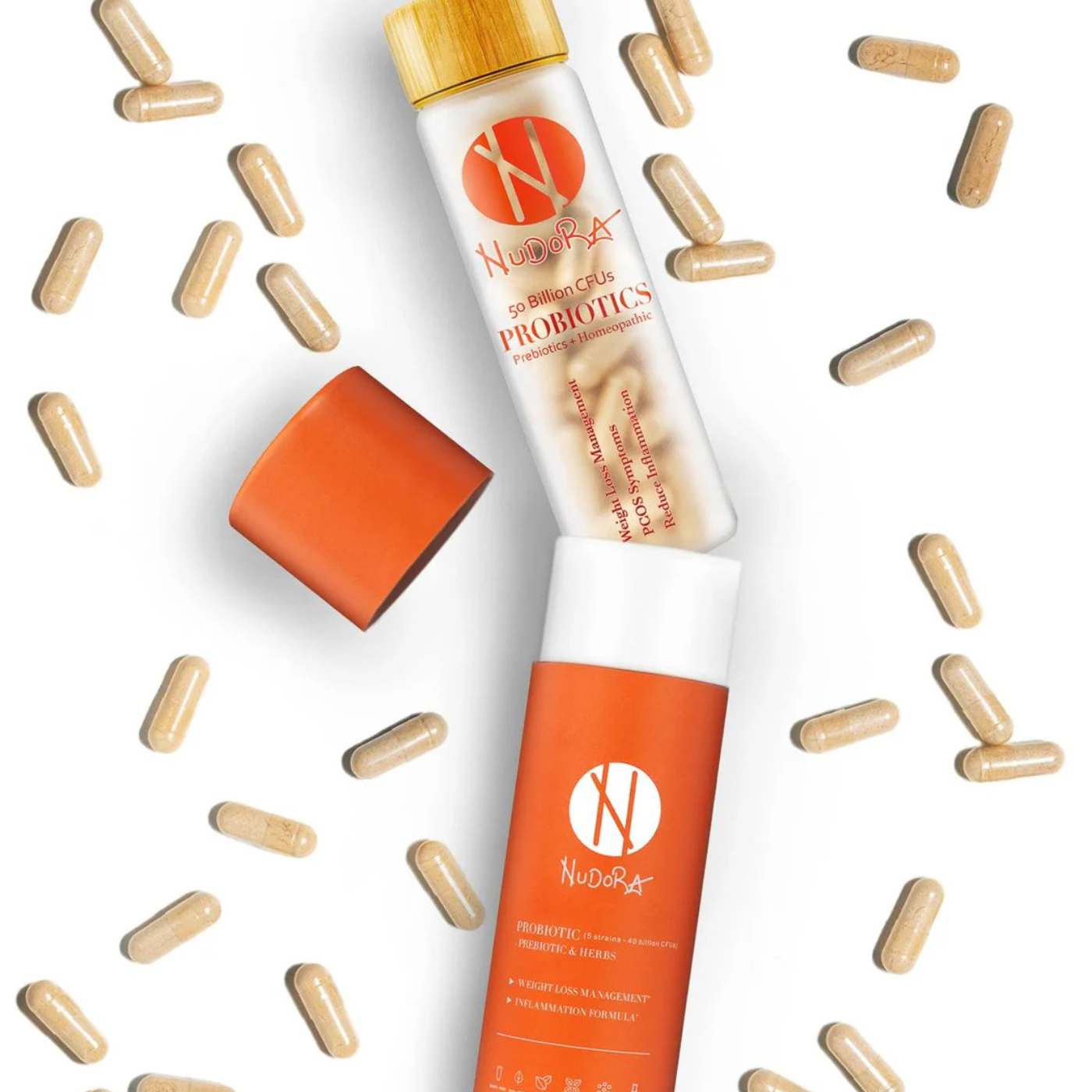
Burn fat. Feel good. Stay glowing.
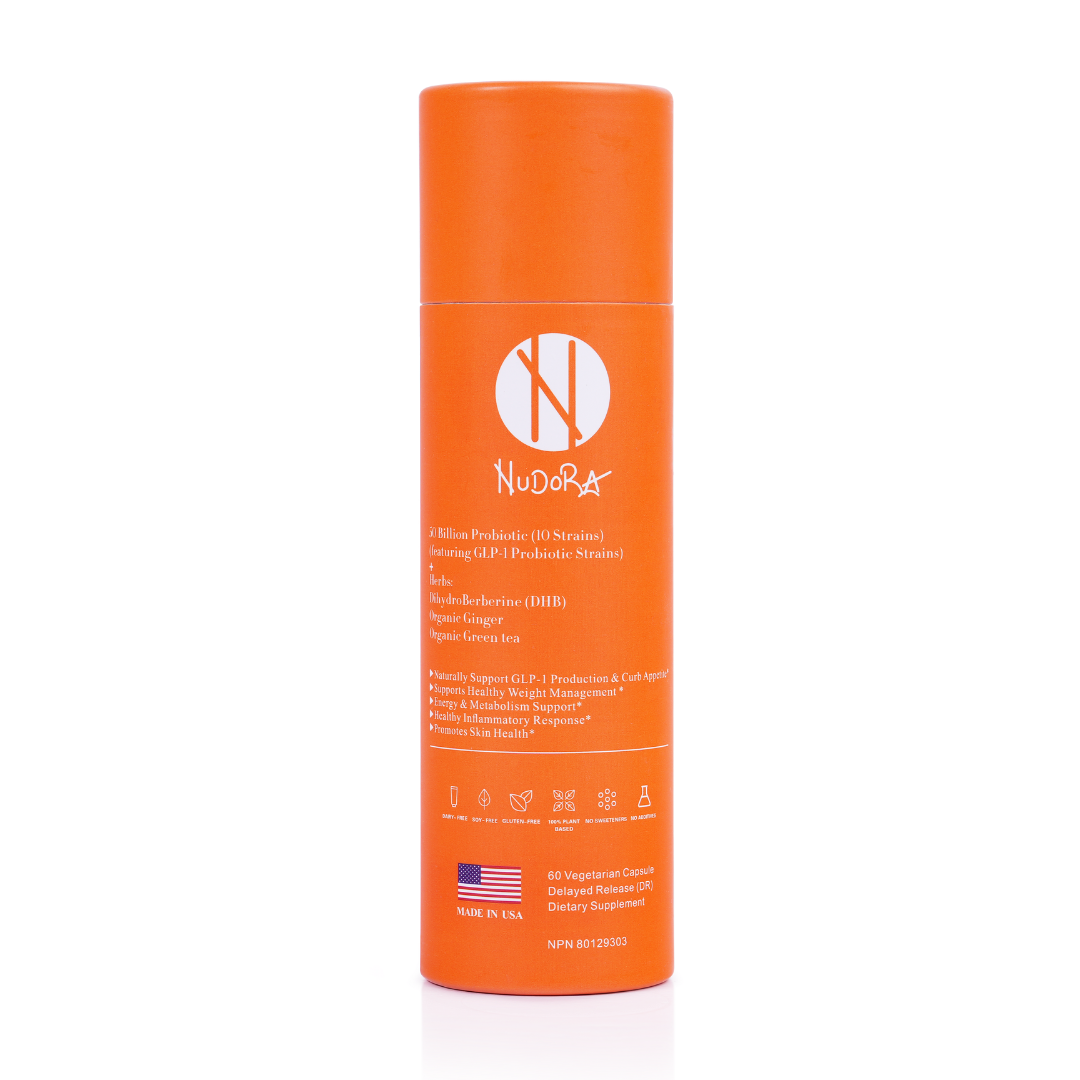
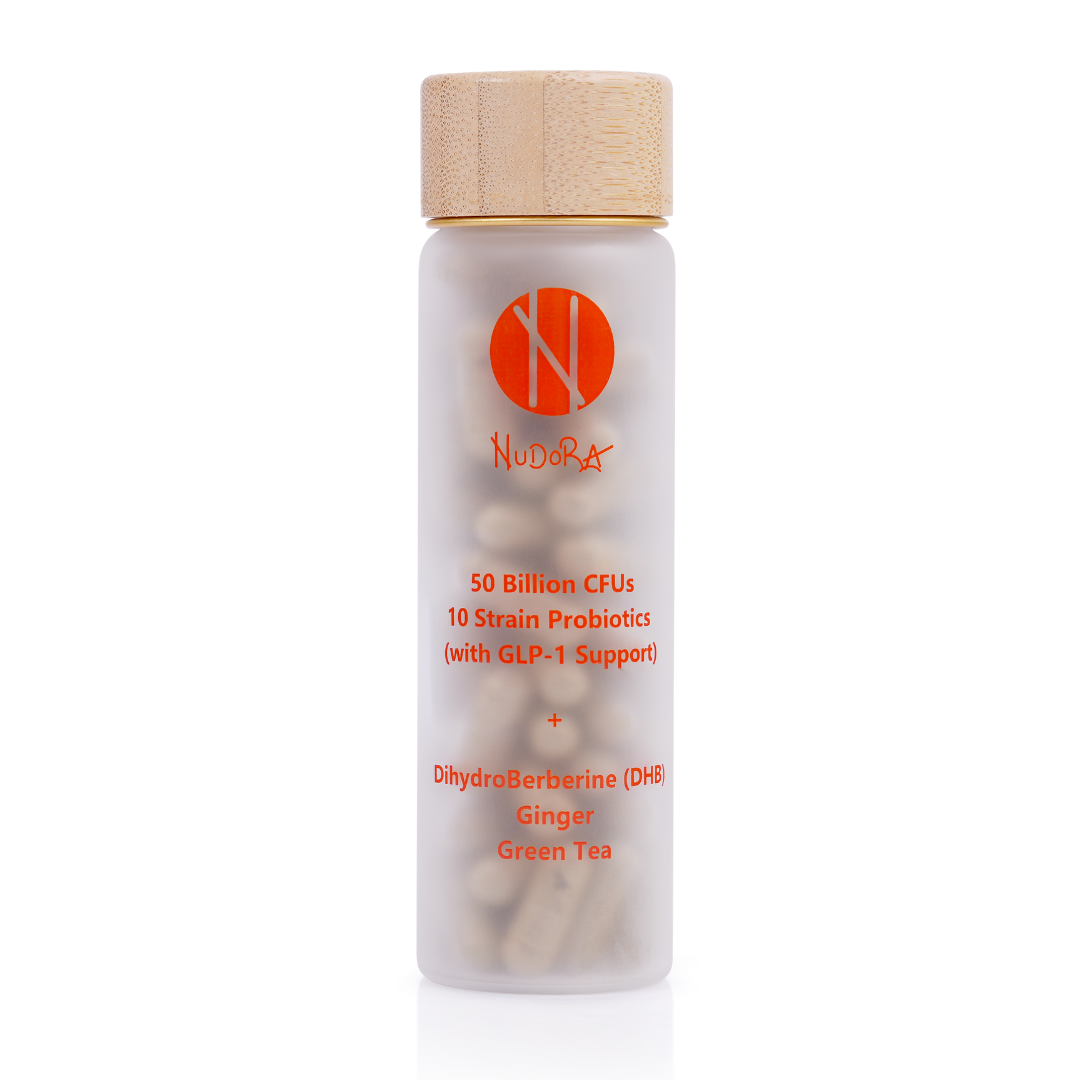
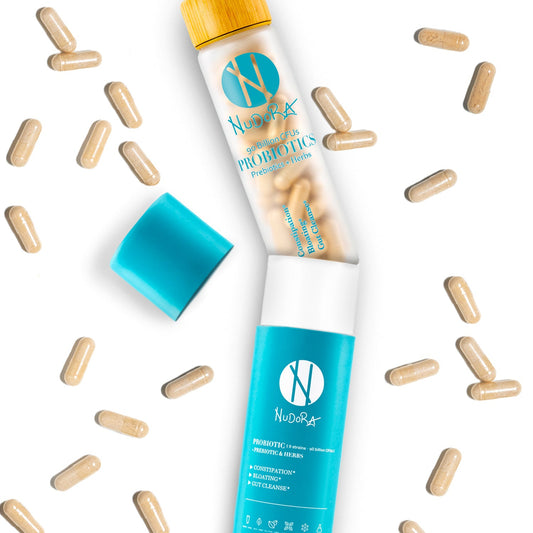
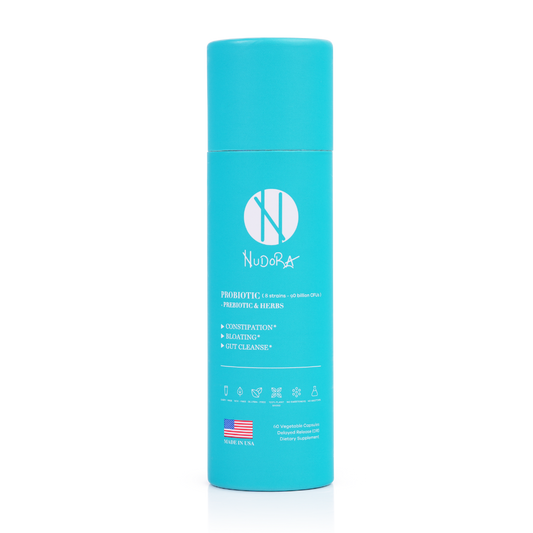
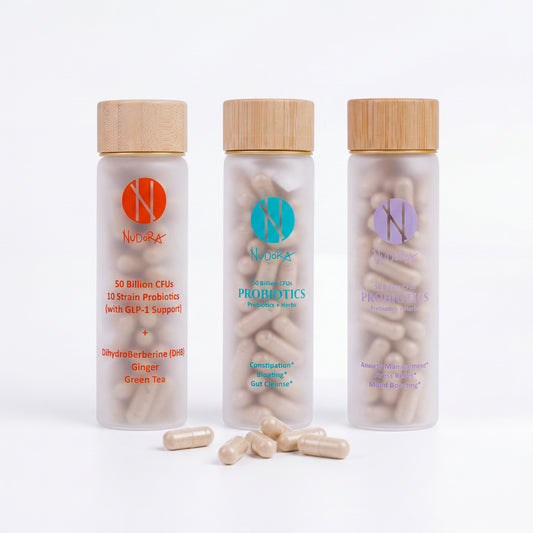
What if you could control cravings, torch stubborn belly fat, and feel energized—all with one capsule? Nudora Orange’s probiotics fuel your gut while organic ginger fires up your metabolism and green tea boosts your energy. Plus, it eases PCOS symptoms, calms inflammation, and even clears your skin. Because when your gut’s happy, the rest of you shines.
BUNDLE & SAVE
Free shipping on every delivery
Cancel or modify anytime
Exclusive subscriber discounts
Mix & Match: Add 3+ different Nudora products to your cart and save 10%, or 4+ to save 15%!
Many notice appetite and energy support; fuller benefits build over 4-8 weeks
Premium Formulation
Explore Our Ingredients
Every ingredient is carefully selected, clinically studied, and precisely dosed
Clinically Studied
Akkermansia Muciniphila
Probiotics
5 Billion CFU
Potency
Key Benefits
Strengthens gut barrier integrity and reduces metabolic endotoxemia
Improves insulin sensitivity and glucose homeostasis
Supports healthy body weight and fat mass regulation
Reduces systemic inflammation through modulation of immune responses
Clinically Studied
Bifidobacterium Bifidum
Probiotics
5 Billion CFU
Potency
Key Benefits
Strengthens gut barrier and reduces intestinal permeability
Supports healthy digestive function and nutrient absorption
Modulates immune system to reduce chronic inflammation
Contributes to healthy microbiome balance for metabolic support
Clinically Studied
Bifidobacterium Breve
Probiotics
5 Billion CFU
Potency
Key Benefits
Supports healthy weight management and fat distribution
Improves glucose metabolism and insulin response
Reduces systemic inflammation and oxidative stress
Enhances gut microbiome diversity and metabolic function
Clinically Studied
Bifidobacterium Infantis
Probiotics
5 Billion CFU
Potency
Key Benefits
Promotes intestinal homeostasis and gut barrier integrity
Reduces gastrointestinal inflammation that impairs metabolic function
Enhances tryptophan metabolism and serotonin pathway signaling
Supports healthy immune responses linked to metabolic regulation
Clinically Studied
Bifidobacterium Lactis
Probiotics
5 Billion CFU
Potency
Key Benefits
Improves glucose tolerance and insulin sensitivity
Supports healthy cholesterol and lipid metabolism
Enhances gut barrier integrity and reduces inflammation
Promotes healthy body weight and reduces abdominal adiposity
Clinically Studied
Clostridium Butyricum
Probiotics
5 Billion CFU
Potency
Key Benefits
Produces high levels of butyrate for colonocyte energy and gut barrier repair
Improves insulin sensitivity through GLP-1 secretion enhancement
Reduces gut inflammation and strengthens intestinal barrier integrity
Supports healthy lipid metabolism and cholesterol homeostasis
Clinically Studied
Lactobacillus Fermentum
Probiotics
5 Billion CFU
Potency
Key Benefits
Supports healthy lipid metabolism and cholesterol balance
Reduces oxidative stress and inflammation in metabolic tissues
Improves body composition when combined with dietary interventions
Enhances gut barrier function and microbiome resilience
Clinically Studied
Lactobacillus Gasseri
Probiotics
10 Billion CFU
Potency
Key Benefits
Reduces visceral adipose tissue and supports healthy body composition
Modulates appetite-regulating hormones including GLP-1 and PYY
Improves insulin sensitivity and glucose metabolism
Reduces systemic inflammation markers associated with metabolic syndrome
Clinically Studied
Lactobacillus Plantarum
Probiotics
10 Billion CFU
Potency
Key Benefits
Improves lipid metabolism and supports healthy cholesterol levels
Reduces systemic inflammation and oxidative stress markers
Enhances intestinal barrier function to reduce metabolic endotoxemia
Supports healthy body weight and body fat percentage
Clinically Studied
Lactobacillus Rhamnosus
Probiotics
10 Billion CFU
Potency
Key Benefits
Supports healthy weight management and body composition
Enhances gut barrier function and reduces intestinal permeability
Modulates immune responses to reduce metabolic inflammation
Improves glucose tolerance and insulin sensitivity
Organic
Fructooligosaccharide (FOS)
Prebiotics
500mg
Potency
Key Benefits
Selectively stimulates growth of beneficial Bifidobacteria and Lactobacilli
Enhances production of short-chain fatty acids for improved metabolic signaling
Improves mineral absorption particularly calcium and magnesium
Supports appetite regulation through enhanced GLP-1 and PYY secretion
Organic
Organic Agave Inulin
Prebiotics
500mg
Potency
Key Benefits
Selectively promotes beneficial Bifidobacteria growth and SCFA production
Supports healthy blood sugar regulation and glycemic control
Enhances satiety and helps reduce overall caloric intake
Improves mineral absorption and bone health support
Clinically Studied
Dihydroberberine (DHB)
Herbals
200mg
Potency
Key Benefits
Enhances insulin sensitivity and glucose uptake in muscle cells
Activates AMPK pathway to promote fat oxidation and reduce lipogenesis
Supports healthy cholesterol and triglyceride levels
Improves mitochondrial function and cellular energy production
Clinically Studied
Organic Ginger (Root)
Herbals
250mg (standardized to 5% gingerols)
Potency
Key Benefits
Increases thermogenesis and energy expenditure through catecholamine release
Enhances gastric motility and digestive efficiency
Supports healthy blood glucose levels and insulin sensitivity
Reduces appetite and increases feelings of satiety
Clinically Studied
Organic Green Tea (Leaf)
Herbals
250mg (standardized to 50% EGCG)
Potency
Key Benefits
Increases thermogenesis and resting energy expenditure
Enhances fat oxidation during exercise and at rest
Supports healthy glucose metabolism and insulin sensitivity
Provides potent antioxidant protection against oxidative stress
Akkermansia Muciniphila
{"type":"root","children":[{"type":"paragraph","children":[{"type":"text","value":"Akkermansia muciniphila is a next-generation probiotic that resides in the intestinal mucus layer and has emerged as a key mediator of metabolic health. Population studies consistently show inverse correlations between A. muciniphila abundance and obesity, type 2 diabetes, and metabolic syndrome. It is one of the most promising microbial targets for metabolic intervention."}]}]}
Clinical Evidence
{"type":"root","children":[{"type":"paragraph","children":[{"type":"text","value":"A landmark randomized controlled trial by Depommier et al. (2019) demonstrated that daily supplementation with 10 billion CFU of pasteurized A. muciniphila for 3 months improved insulin sensitivity by approximately 30% and reduced total cholesterol in overweight/obese insulin-resistant individuals. The pasteurized form showed superior metabolic benefits compared to the live bacteria, likely due to enhanced stability of beneficial surface proteins."}]}]}
Mechanism of Action
{"type":"root","children":[{"type":"paragraph","children":[{"type":"text","value":"A. muciniphila promotes gut barrier function by stimulating mucin production and tightening epithelial junctions via upregulation of tight junction proteins (occludin, claudins). Its outer membrane protein Amuc_1100 interacts with TLR2 to modulate immune responses and reduce inflammation. It also produces propionate and other metabolites that activate intestinal gluconeogenesis and improve energy homeostasis through gut-brain neural circuits."}]}]}
Bifidobacterium Bifidum
{"type":"root","children":[{"type":"paragraph","children":[{"type":"text","value":"Bifidobacterium bifidum is one of the foundational species of the human gut microbiome and among the first to colonize the infant gastrointestinal tract. While its metabolic evidence is more general compared to targeted metabolic probiotic strains, it plays a crucial supporting role in maintaining gut health, which is foundational for overall metabolic function and nutrient absorption."}]}]}
Clinical Evidence
{"type":"root","children":[{"type":"paragraph","children":[{"type":"text","value":"Clinical studies with B. bifidum at 5-10 billion CFU daily have demonstrated improvements in gut barrier function markers and reductions in pro-inflammatory cytokines over 4-8 week supplementation periods. A randomized trial combining B. bifidum with other probiotic strains showed synergistic improvements in metabolic parameters including reduced waist circumference and improved glucose tolerance, though the specific independent contribution of B. bifidum is difficult to isolate."}]}]}
Mechanism of Action
{"type":"root","children":[{"type":"paragraph","children":[{"type":"text","value":"B. bifidum supports metabolic health primarily through maintaining gut barrier integrity by stimulating mucin production and enhancing tight junction protein expression between epithelial cells. It produces acetate and other SCFAs that create an unfavorable environment for pathogenic organisms and provide energy for colonocytes. The strain also modulates immune cell activity through interaction with pattern recognition receptors, promoting balanced immune responses that reduce metabolic inflammation."}]}]}
Bifidobacterium Breve
{"type":"root","children":[{"type":"paragraph","children":[{"type":"text","value":"Bifidobacterium breve is a prominent gut commensal with emerging evidence for metabolic health benefits. It is one of the most abundant Bifidobacterium species in the human gastrointestinal tract and plays important roles in carbohydrate metabolism, immune modulation, and gut barrier maintenance. Strains like B. breve B-3 have been specifically investigated for anti-obesity effects."}]}]}
Clinical Evidence
{"type":"root","children":[{"type":"paragraph","children":[{"type":"text","value":"A randomized controlled trial with B. breve B-3 at approximately 5 billion CFU daily for 12 weeks demonstrated significant reductions in body fat percentage (from 45.0% to 43.5% vs increase in placebo group) and visceral fat area in overweight adults. Additional studies have shown improvements in fasting glucose levels and inflammatory markers including reductions in C-reactive protein at doses of 5-10 billion CFU over 8-12 week periods."}]}]}
Mechanism of Action
{"type":"root","children":[{"type":"paragraph","children":[{"type":"text","value":"B. breve metabolizes a wide range of oligosaccharides to produce acetate and lactate, which serve as substrates for other beneficial bacteria in cross-feeding relationships and activate GPR43 receptors to modulate GLP-1 secretion. It inhibits dietary fat absorption through modulation of bile acid metabolism and enhances fatty acid oxidation in the liver. The strain also produces conjugated linoleic acid and modulates PPAR-alpha signaling to influence lipid metabolism."}]}]}
Bifidobacterium Infantis
{"type":"root","children":[{"type":"paragraph","children":[{"type":"text","value":"Bifidobacterium longum subsp. infantis is a key early-life gut commensal with significant roles in immune development and intestinal homeostasis. While its metabolic benefits are more indirect compared to some other probiotic species, it contributes to metabolic health through gut barrier optimization, inflammation reduction, and modulation of tryptophan metabolism which influences appetite and mood regulation."}]}]}
Clinical Evidence
{"type":"root","children":[{"type":"paragraph","children":[{"type":"text","value":"Clinical studies with B. infantis 35624 (Alflorex) at 1-10 billion CFU daily have demonstrated significant reductions in inflammatory markers including CRP, TNF-alpha, and IL-6 in patients with inflammatory conditions. A randomized trial showed that B. infantis supplementation at 5 billion CFU for 8 weeks improved gut permeability markers and reduced circulating lipopolysaccharide-binding protein, a marker associated with metabolic endotoxemia and insulin resistance."}]}]}
Mechanism of Action
{"type":"root","children":[{"type":"paragraph","children":[{"type":"text","value":"B. infantis has a unique ability to consume human milk oligosaccharides and complex dietary glycans, producing a broad spectrum of SCFAs that nourish colonocytes and regulate immune responses. It modulates tryptophan metabolism through the kynurenine pathway, influencing serotonin production and gut-brain axis signaling related to appetite. The strain induces regulatory T-cells through dendritic cell modulation, reducing Th17-driven inflammation that is associated with insulin resistance."}]}]}
Bifidobacterium Lactis
{"type":"root","children":[{"type":"paragraph","children":[{"type":"text","value":"Bifidobacterium animalis subsp. lactis is a well-characterized probiotic with multiple strains demonstrating metabolic health benefits in clinical settings. Strains such as B. lactis B420 and HN019 have been extensively studied for their effects on body composition, glucose metabolism, and inflammatory markers in overweight and obese populations."}]}]}
Clinical Evidence
{"type":"root","children":[{"type":"paragraph","children":[{"type":"text","value":"A randomized controlled trial with B. lactis B420 at 10 billion CFU daily for 6 months demonstrated significant reductions in body fat mass (-1.4 kg) and waist circumference (-1.5 cm) compared to placebo in overweight adults. Another RCT with B. lactis HN019 at 5-10 billion CFU showed significant improvements in lipid profiles and inflammatory markers, including reduced TNF-alpha and improved HDL cholesterol levels over 12 weeks."}]}]}
Mechanism of Action
{"type":"root","children":[{"type":"paragraph","children":[{"type":"text","value":"B. lactis improves metabolic health through enhanced production of short-chain fatty acids (particularly acetate) that activate GPR41/GPR43 receptors to stimulate GLP-1 secretion and improve insulin sensitivity. It competitively excludes pathogenic bacteria by occupying mucosal binding sites, reduces intestinal pH through lactic acid production to inhibit harmful bacteria, and modulates bile acid metabolism to influence cholesterol homeostasis and energy expenditure."}]}]}
Clostridium Butyricum
{"type":"root","children":[{"type":"paragraph","children":[{"type":"text","value":"Clostridium butyricum is a butyrate-producing probiotic strain with growing evidence for metabolic health benefits. Butyrate is the primary energy source for colonocytes and serves as a histone deacetylase (HDAC) inhibitor with broad anti-inflammatory and metabolic effects. C. butyricum MIYAIRI 588 (CBM 588) is the most clinically studied strain and is approved as a pharmaceutical probiotic in several Asian countries."}]}]}
Clinical Evidence
{"type":"root","children":[{"type":"paragraph","children":[{"type":"text","value":"Clinical studies with C. butyricum MIYAIRI 588 at doses of 5-10 billion CFU daily have demonstrated improvements in insulin resistance markers and gut microbiome composition. A randomized trial in patients with metabolic syndrome showed that 12 weeks of supplementation significantly increased GLP-1 secretion and improved HOMA-IR scores. Studies also report improved lipid profiles with reductions in total cholesterol and LDL cholesterol."}]}]}
Mechanism of Action
{"type":"root","children":[{"type":"paragraph","children":[{"type":"text","value":"C. butyricum ferments dietary fiber to produce butyrate, which activates G-protein coupled receptors GPR41 and GPR43 on intestinal L-cells to stimulate GLP-1 and PYY secretion. Butyrate acts as an HDAC inhibitor to modulate gene expression in immune cells, reducing NF-kB-mediated inflammation. It also serves as the primary fuel source for colonocytes, strengthening tight junctions and improving gut barrier function to reduce metabolic endotoxemia-driven insulin resistance."}]}]}
Lactobacillus Fermentum
{"type":"root","children":[{"type":"paragraph","children":[{"type":"text","value":"Lactobacillus fermentum is a heterofermentative probiotic species with moderate but growing evidence for metabolic health benefits. Strains such as L. fermentum ME-3 and L. fermentum CECT5716 have been studied for their antioxidant properties and metabolic effects. It is notable for its unique antioxidant capacity among probiotic species, producing glutathione and other antioxidant compounds."}]}]}
Clinical Evidence
{"type":"root","children":[{"type":"paragraph","children":[{"type":"text","value":"A randomized controlled trial with L. fermentum ME-3 at 5-10 billion CFU daily demonstrated significant reductions in oxidized LDL cholesterol (a key marker of cardiovascular risk) and improvements in total antioxidant capacity over 3 weeks. Another trial showed that L. fermentum supplementation at 10 billion CFU for 12 weeks combined with dietary intervention resulted in greater reductions in body fat percentage and waist circumference compared to diet alone."}]}]}
Mechanism of Action
{"type":"root","children":[{"type":"paragraph","children":[{"type":"text","value":"L. fermentum supports metabolism primarily through its potent antioxidant activity, producing glutathione and expressing superoxide dismutase and other antioxidant enzymes that reduce oxidative damage to metabolic tissues. It improves lipid profiles through bile salt hydrolase activity that increases cholesterol excretion, and produces SCFAs that modulate appetite-regulating hormones. The strain also enhances intestinal barrier function to reduce inflammation-driven metabolic dysfunction."}]}]}
Lactobacillus Gasseri
{"type":"root","children":[{"type":"paragraph","children":[{"type":"text","value":"Lactobacillus gasseri is one of the most extensively studied probiotic strains for weight management and metabolic health. Multiple randomized controlled trials, particularly using the BNR17 strain, have demonstrated significant reductions in waist circumference and visceral fat. Its mechanisms involve modulation of gut-brain axis signaling and adipose tissue metabolism."}]}]}
Clinical Evidence
{"type":"root","children":[{"type":"paragraph","children":[{"type":"text","value":"A randomized double-blind placebo-controlled trial showed that supplementation with L. gasseri BNR17 at 10 billion CFU daily for 12 weeks resulted in significant reductions in waist circumference (average -1.83 cm) and visceral fat area compared to placebo. Another 12-week RCT with L. gasseri SBT2055 at 50 billion CFU demonstrated significant reductions in abdominal visceral fat area (-8.5%) and waist circumference in overweight adults."}]}]}
Mechanism of Action
{"type":"root","children":[{"type":"paragraph","children":[{"type":"text","value":"L. gasseri influences metabolism through multiple pathways: it modulates the expression of genes involved in lipid metabolism in adipose tissue, increases circulating levels of GLP-1 and other satiety hormones, strengthens intestinal barrier function to reduce metabolic endotoxemia, and produces short-chain fatty acids that activate AMPK signaling to enhance fat oxidation and reduce fat storage."}]}]}
Lactobacillus Plantarum
{"type":"root","children":[{"type":"paragraph","children":[{"type":"text","value":"Lactobacillus plantarum is a highly versatile probiotic species with broad metabolic health benefits supported by extensive preclinical and clinical research. It is one of the most genetically diverse Lactobacillus species, with individual strains showing distinct but overlapping metabolic effects. Key strains like L. plantarum 299v and L. plantarum KABP-051 have been well-characterized in human trials."}]}]}
Clinical Evidence
{"type":"root","children":[{"type":"paragraph","children":[{"type":"text","value":"A randomized controlled trial with L. plantarum 299v at 10 billion CFU daily for 12 weeks demonstrated significant improvements in lipid profiles including reduced LDL cholesterol and triglycerides in hypercholesterolemic subjects. Multiple RCTs have shown that L. plantarum supplementation at 10-20 billion CFU supports healthy body composition, with one study showing a 1.4 kg greater reduction in body fat mass compared to placebo over 12 weeks."}]}]}
Mechanism of Action
{"type":"root","children":[{"type":"paragraph","children":[{"type":"text","value":"L. plantarum improves metabolic health through bile salt hydrolase (BSH) activity, which deconjugates bile acids to increase fecal bile acid excretion and force the liver to use cholesterol for new bile acid synthesis. It produces conjugated linoleic acid (CLA) from dietary linoleic acid, enhances intestinal barrier integrity, and modulates the immune system through NF-kB pathway regulation to reduce chronic low-grade inflammation associated with metabolic dysfunction."}]}]}
Lactobacillus Rhamnosus
{"type":"root","children":[{"type":"paragraph","children":[{"type":"text","value":"Lactobacillus rhamnosus is one of the most widely studied probiotic species globally, with the GG strain (LGG) being the most clinically documented probiotic strain in history. While originally characterized for gastrointestinal and immune health, substantial evidence has accumulated for its role in metabolic health including weight management and glucose homeostasis."}]}]}
Clinical Evidence
{"type":"root","children":[{"type":"paragraph","children":[{"type":"text","value":"A randomized controlled trial with L. rhamnosus CGMCC1.3724 at approximately 10 billion CFU daily for 24 weeks demonstrated significant weight loss in women (average -5.1 kg vs -1.3 kg placebo) with particular efficacy in reducing fat mass. The L. rhamnosus strain was especially effective in individuals with higher baseline BMI. Multiple studies at 10-20 billion CFU have shown improvements in glucose metabolism and inflammatory markers."}]}]}
Mechanism of Action
{"type":"root","children":[{"type":"paragraph","children":[{"type":"text","value":"L. rhamnosus influences metabolism through modulation of the gut microbiome composition, increasing the abundance of beneficial bacteria while reducing pro-inflammatory species. It produces exopolysaccharides that strengthen the intestinal mucus barrier and interact with dendritic cells to promote regulatory T-cell responses. The strain also enhances tight junction protein expression, reducing gut permeability and subsequent metabolic endotoxemia that drives insulin resistance."}]}]}
Fructooligosaccharide (FOS)
{"type":"root","children":[{"type":"paragraph","children":[{"type":"text","value":"Fructooligosaccharides (FOS) are well-established prebiotic fibers composed of short chains of fructose molecules that resist digestion in the upper gastrointestinal tract and are selectively fermented by beneficial gut bacteria. They are among the most clinically studied prebiotics with a robust evidence base for gut health and metabolic benefits including glycemic regulation and appetite modulation."}]}]}
Clinical Evidence
{"type":"root","children":[{"type":"paragraph","children":[{"type":"text","value":"Clinical trials with FOS supplementation at doses ranging from 5-20 g daily have demonstrated significant increases in Bifidobacterium counts (1-2 log increase) within 7-14 days of supplementation. Studies at 8-15 g daily have shown improved glucose tolerance, increased GLP-1 secretion, and reduced calorie intake at subsequent meals. Lower maintenance doses of 500 mg to 2 g daily have been shown to sustain beneficial microbiome changes when combined with probiotic supplementation."}]}]}
Mechanism of Action
{"type":"root","children":[{"type":"paragraph","children":[{"type":"text","value":"FOS selectively feeds Bifidobacteria and other beneficial microorganisms through preferential fermentation, producing short-chain fatty acids (acetate, propionate, butyrate) that activate GPR41/GPR43 receptors on intestinal L-cells to stimulate GLP-1 and PYY release. This enhances satiety signaling and improves insulin sensitivity. FOS also acidifies the colonic lumen, improving mineral solubility and absorption while inhibiting growth of pathogenic bacteria through competitive exclusion."}]}]}
Organic Agave Inulin
{"type":"root","children":[{"type":"paragraph","children":[{"type":"text","value":"Agave inulin is a plant-derived prebiotic fiber extracted from the Agave tequilana plant, characterized by a highly branched fructan structure. This branched structure differentiates it from chicory inulin and provides a slower, more sustained fermentation profile throughout the colon. It supports metabolic health through selective stimulation of beneficial gut bacteria and production of short-chain fatty acids."}]}]}
Clinical Evidence
{"type":"root","children":[{"type":"paragraph","children":[{"type":"text","value":"Clinical trials with agave inulin supplementation at 5-15 g daily have demonstrated significant increases in Bifidobacterium abundance and SCFA production over 3-4 weeks. Studies have shown that agave inulin improves glycemic response with reduced postprandial glucose spikes and improved satiety ratings. At lower maintenance doses (500 mg to 2 g daily), it supports sustained microbiome benefits when combined with probiotic supplementation."}]}]}
Mechanism of Action
{"type":"root","children":[{"type":"paragraph","children":[{"type":"text","value":"Agave inulin's branched fructan structure resists digestion in the upper GI tract and is gradually fermented by colonic bacteria, providing a sustained prebiotic effect throughout the entire colon rather than being rapidly fermented in the proximal colon. It selectively stimulates Bifidobacteria growth and SCFA production, which activates GPR41/GPR43 receptors to enhance GLP-1 and PYY secretion for improved appetite regulation and glucose homeostasis."}]}]}
Dihydroberberine (DHB)
{"type":"root","children":[{"type":"paragraph","children":[{"type":"text","value":"Dihydroberberine is a reduced form of berberine with approximately 5-fold greater bioavailability than standard berberine. Berberine has been used for millennia in traditional Chinese medicine, and its DHB derivative represents a significant advancement in metabolic supplementation by overcoming berberine's poor oral absorption. It targets core metabolic pathways including AMPK activation and insulin signaling."}]}]}
Clinical Evidence
{"type":"root","children":[{"type":"paragraph","children":[{"type":"text","value":"A randomized crossover clinical trial demonstrated that 200 mg of DHB taken three times daily produced equivalent or superior metabolic effects to 500 mg of standard berberine three times daily, with significantly improved plasma berberine concentrations (approximately 5x higher AUC). Studies on berberine (the parent compound) have shown HbA1c reductions of 0.5-0.7% and LDL cholesterol reductions of 15-20% in meta-analyses of over 30 RCTs."}]}]}
Mechanism of Action
{"type":"root","children":[{"type":"paragraph","children":[{"type":"text","value":"DHB activates AMP-activated protein kinase (AMPK), the master cellular energy sensor, which switches cells from anabolic to catabolic metabolism. It enhances insulin receptor substrate-1 signaling and increases GLUT4 translocation to improve glucose uptake. DHB also inhibits mitochondrial complex I, which activates AMPK indirectly, and reduces hepatic gluconeogenesis by downregulating PEPCK and G6Pase gene expression."}]}]}
Organic Ginger (Root)
{"type":"root","children":[{"type":"paragraph","children":[{"type":"text","value":"Ginger (Zingiber officinale) has been used for millennia in traditional medicine systems for digestive and metabolic health. Its bioactive compounds, primarily gingerols and shogaols, have demonstrated significant metabolic effects in modern clinical research including thermogenic activation, appetite reduction, and glucose regulation. The evidence base includes multiple well-designed randomized controlled trials."}]}]}
Clinical Evidence
{"type":"root","children":[{"type":"paragraph","children":[{"type":"text","value":"A meta-analysis of 14 randomized controlled trials found that ginger supplementation at 1-3 g daily significantly reduced body weight (-1.18 kg), waist-to-hip ratio, fasting glucose, and insulin resistance (HOMA-IR). A specific trial using a ginger extract standardized to gingerols demonstrated increased thermogenesis by 43 kcal/day and enhanced the thermic effect of food by approximately 20% compared to placebo."}]}]}
Mechanism of Action
{"type":"root","children":[{"type":"paragraph","children":[{"type":"text","value":"Gingerols and shogaols activate TRPV1 (transient receptor potential vanilloid 1) receptors, which stimulate sympathetic nervous system activity and increase catecholamine release to promote thermogenesis and lipolysis. Ginger also inhibits pancreatic lipase and alpha-glucosidase to reduce dietary fat and carbohydrate absorption. Additionally, it modulates serotonin receptor signaling in the gut to influence satiety and gastric emptying rate."}]}]}
Organic Green Tea (Leaf)
{"type":"root","children":[{"type":"paragraph","children":[{"type":"text","value":"Epigallocatechin gallate (EGCG) is the most abundant and bioactive catechin in green tea, comprising approximately 50-60% of total catechin content. It is one of the most extensively researched natural compounds for metabolic health, with hundreds of clinical trials examining its effects on weight management, energy expenditure, and cardiometabolic risk factors."}]}]}
Clinical Evidence
{"type":"root","children":[{"type":"paragraph","children":[{"type":"text","value":"A meta-analysis of 26 randomized controlled trials found that green tea extract supplementation with EGCG at doses of 100-857 mg/day for 8-24 weeks significantly reduced body weight (mean difference -1.78 kg), waist circumference, and increased energy expenditure. Studies using 300-500 mg EGCG daily have demonstrated 4-5% increases in resting energy expenditure and significant increases in fat oxidation rates during both rest and moderate exercise."}]}]}
Mechanism of Action
{"type":"root","children":[{"type":"paragraph","children":[{"type":"text","value":"EGCG increases thermogenesis by inhibiting catechol-O-methyltransferase (COMT), which prolongs the action of norepinephrine and increases sympathetic nervous system activity. It activates AMPK in liver and muscle tissue to enhance fatty acid oxidation and inhibit lipogenesis. EGCG also modulates adipocyte lifecycle by inducing apoptosis in mature adipocytes and inhibiting adipogenesis through downregulation of PPAR-gamma and C/EBP-alpha."}]}]}
Your Transformation Journey
What to Expect & When
Track your progress with Nudora Orange 2.0 — real results, real timeline
Week 1
First Signs
GLP-1 Production & Curb Appetite
Weight Loss Management
Week 2
Building Momentum
Reduce Belly Fat
Increase Energy
Week 3-4
Noticeable Changes
Glowing Skin & Acne Control
Improve PCOS Symptoms
Week 4-8+
Peak Results
Reduces Pain & Inflammation
Improve Sleep
Decrease Bloating & Digestive Issues
How to Take
Your Usage Guide
Simple instructions for the best results with Nudora Orange 2.0
Serving Size2 capsules
FrequencyOnce daily
Best TimeMorning, 30 minutes before breakfast
With FoodTake on an empty stomach for best absorption
Everything you need to know about Nudora Orange 2.0
{"type":"root","children":[{"type":"paragraph","children":[{"type":"text","value":"Orange 2.0 blends Dihydroberberine (DHB), Green Tea extract (EGCG), Organic Ginger, and targeted probiotics (e.g., Akkermansia, C. butyricum, B. infantis) to support healthy metabolism, appetite control, glucose metabolism, and daily vitality, while helping maintain digestive comfort.*"}]}]}
{"type":"root","children":[{"type":"paragraph","children":[{"type":"text","value":"Orange 2.0 supports healthy body composition by helping with appetite control and metabolic health—best results come with consistent use alongside balanced nutrition, movement, and sleep.*"}]}]}
{"type":"root","children":[{"type":"paragraph","children":[{"type":"text","value":"Yes. Orange 2.0 is formulated for adults of all genders."}]}]}
{"type":"root","children":[{"type":"paragraph","children":[{"type":"text","value":"Dihydroberberine (DHB) for metabolic support, Green Tea (EGCG) and Ginger for energy/appetite support, plus probiotics + prebiotics for a gut-first approach.*"}]}]}
{"type":"root","children":[{"type":"paragraph","children":[{"type":"text","value":"Orange 2.0 includes Green Tea extract. If you're sensitive to caffeine, take it in the morning or early afternoon and check your label for details. There are no added stimulant ingredients."}]}]}
{"type":"root","children":[{"type":"paragraph","children":[{"type":"text","value":"Take 2 capsules daily with a meal. Consistency matters—aim for the same time each day."}]}]}
{"type":"root","children":[{"type":"paragraph","children":[{"type":"text","value":"Many people notice appetite and energy support within 1–2 weeks; fuller metabolic support typically builds over 4–8 weeks of daily use with healthy habits.*"}]}]}
{"type":"root","children":[{"type":"paragraph","children":[{"type":"text","value":"Yes. Orange pairs well with Purple (calm & mood support) and Green (digestive regularity). If you're using GLP-1 medications or any prescription, check with your healthcare provider to ensure it fits your plan.*"}]}]}
{"type":"root","children":[{"type":"paragraph","children":[{"type":"text","value":"It's generally well tolerated; some may notice mild, temporary digestive changes. If you're pregnant/nursing, have a medical condition, or take blood-sugar-lowering medications, consult your clinician before use."}]}]}
{"type":"root","children":[{"type":"paragraph","children":[{"type":"text","value":"Yes—100% plant-based, Non-GMO, dairy-free, gluten-free, soy-free, with no additives or sweeteners."}]}]}