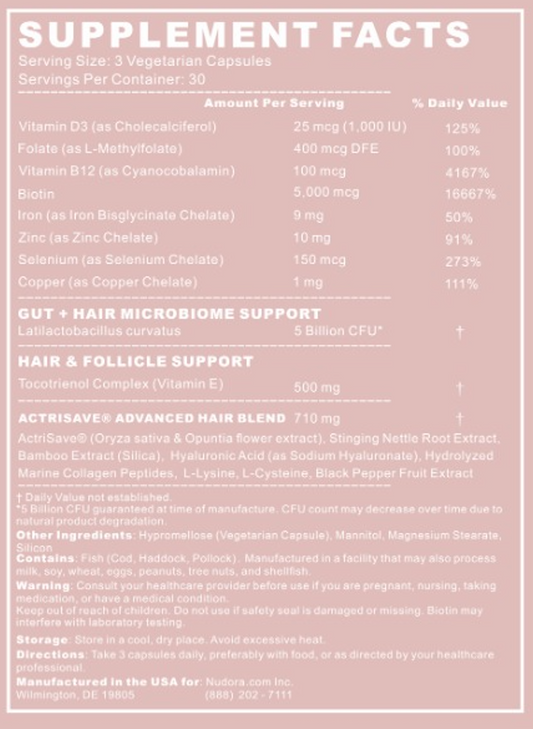
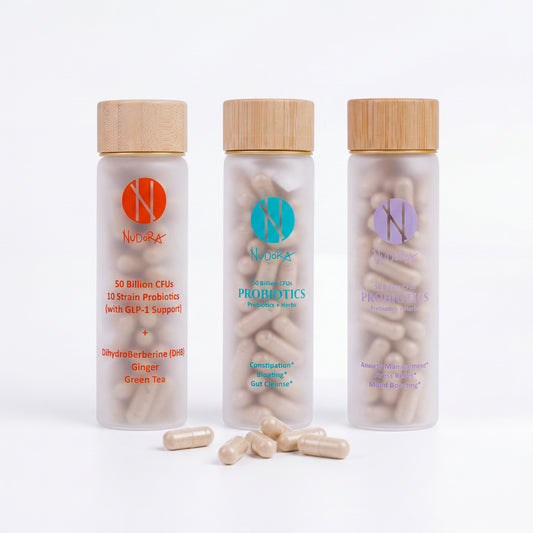
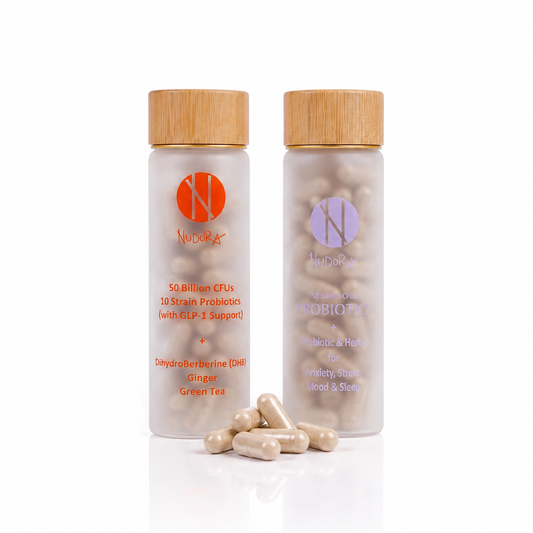
Quema grasa. Siéntete bien. Luce radiante.
¿Qué tal si pudieras controlar los antojos, eliminar la grasa abdominal persistente y sentirte con energía, todo con una sola cápsula? Los probióticos de Nudora Orange nutren tu intestino, mientras que el jengibre orgánico acelera tu metabolismo y el té verde te da energía. Además, alivia los síntomas del SOP, calma la inflamación e incluso limpia tu piel. Porque cuando tu intestino está feliz, todo tu ser brilla.
BUNDLE & SAVE
Free shipping on every delivery
Cancel or modify anytime
Exclusive subscriber discounts
Mix & Match: Add 3+ different Nudora products to your cart and save 10%, or 4+ to save 15%!
Clinical data supporting Nudora "NUEVA" Naranja (Próximamente)
140 Billion
Total CFUs
Combined probiotic power from both formulas for complete gut support
14
Probiotic Strains
Comprehensive blend targeting both mental wellness and digestive health
15-20%
Bundle Savings
Best value in the Nudora line—complete system at discounted price
2
Targeted Formulas
One for mind support, one for gut comfort—complete wellness system
Premium Formulation
Explore Our Ingredients
Every ingredient is carefully selected, clinically studied, and precisely dosed
Clinically Studied
Bifidobacterium Infantis
Probiotics
3 Billion CFU
Potency
Key Benefits
Reduces depression and anxiety symptoms by normalizing tryptophan metabolism
Supports healthy serotonin production through kynurenine pathway modulation
Reduces visceral hypersensitivity associated with stress-related gut disorders
Restores gut barrier function to lower neuroinflammatory signaling
Clinically Studied
Bifidobacterium Longum
Probiotics
5 Billion CFU
Potency
Key Benefits
Reduces psychological stress and anxiety through vagal nerve modulation
Improves sleep quality and reduces sleep onset latency
Modulates the HPA axis to normalize cortisol rhythmicity
Produces short-chain fatty acids that support neuroprotective pathways
Clinically Studied
Lactobacillus Fermentum
Probiotics
3 Billion CFU
Potency
Key Benefits
Supports stress resilience through immune-inflammatory modulation
Enhances antioxidant defenses that protect against stress-induced oxidative damage
Contributes to gut barrier integrity reducing inflammation-driven mood disruption
Supports overall microbiome diversity for indirect mood and sleep benefits
Clinically Studied
Lactobacillus Helveticus
Probiotics
3 Billion CFU
Potency
Key Benefits
Reduces anxiety and psychological stress responses
Improves sleep duration and quality in clinical populations
Produces bioactive peptides with calming neuroactive properties
Lowers cortisol and supports healthy stress hormone regulation
Clinically Studied
Lactobacillus Plantarum
Probiotics
5 Billion CFU
Potency
Key Benefits
Reduces anxiety and depressive symptoms through gut-brain communication
Improves sleep efficiency by modulating neurotransmitter production
Enhances serotonin biosynthesis from tryptophan in the gut
Reduces neuroinflammation associated with chronic stress
Clinically Studied
Lactobacillus Rhamnosus
Probiotics
5 Billion CFU
Potency
Key Benefits
Reduces anxiety and cortisol levels via the gut-brain axis
Improves sleep quality by modulating GABA receptor expression
Supports mood regulation through serotonin pathway influence
Strengthens intestinal barrier to reduce systemic inflammation linked to stress
Organic
Organic Galactooligosaccharide (GOS)
Prebiotics
5g
Potency
Key Benefits
Selectively feeds Bifidobacteria to enhance gut-brain axis signaling
Reduces cortisol awakening response and perceived stress levels
Improves sleep architecture by supporting SCFA-producing bacteria
Enhances magnesium and calcium absorption for neuromuscular relaxation
Organic
Organic Inulin
Prebiotics
3g
Potency
Key Benefits
Promotes growth of beneficial gut bacteria that support mood regulation
Enhances short-chain fatty acid production for gut-brain axis communication
Improves mineral absorption including magnesium for neuromuscular calm
Supports healthy inflammatory response linked to stress resilience
Organic
Organic Xylooligosaccharides (XOS)
Prebiotics
1.4g
Potency
Key Benefits
Selectively promotes Bifidobacteria growth at very low effective doses
Reduces gut inflammation that contributes to systemic stress signaling
Improves digestive comfort which indirectly supports sleep quality
Enhances gut barrier function to reduce neuroinflammatory cascades
Clinically Studied
Ashwagandha
Herbals
300mg
Potency
Key Benefits
Significantly reduces cortisol and perceived stress levels
Improves sleep onset latency and overall sleep quality
Enhances stress resilience by modulating the HPA axis
Reduces anxiety symptoms with efficacy comparable to pharmaceutical anxiolytics
Clinically Studied
Lemon Balm (Melissa officinalis)
Herbals
300mg
Potency
Key Benefits
Reduces anxiety and promotes calm without impairing alertness
Improves mood and reduces negative emotional responses to stress
Enhances sleep quality particularly when combined with valerian
Supports cognitive function under stress through GABA modulation
Clinically Studied
L-Theanine
Herbals
200mg
Potency
Key Benefits
Promotes alpha brain wave activity for calm, focused relaxation
Reduces stress-induced blood pressure and heart rate elevations
Improves sleep quality without causing drowsiness or next-day grogginess
Enhances GABA, serotonin, and dopamine neurotransmitter activity
Clinically Studied
Magnesium Glycinate
Herbals
200mg
Potency
Key Benefits
Promotes muscle relaxation and reduces physical tension from stress
Enhances GABA receptor activity to support calm and restful sleep
Regulates the HPA axis and normalizes cortisol secretion patterns
Supports melatonin production and circadian rhythm regulation
Clinically Studied
Rhodiola Rosea
Herbals
200mg
Potency
Key Benefits
Reduces mental fatigue and burnout under chronic stress conditions
Enhances cognitive performance and focus during stressful periods
Modulates stress hormones including cortisol and norepinephrine
Improves mood and reduces symptoms of mild-to-moderate depression
Clinically Studied
Saffron
Herbals
30mg
Potency
Key Benefits
Reduces depression symptoms with efficacy comparable to SSRIs
Decreases anxiety and emotional reactivity to stress
Improves sleep quality by enhancing serotonin and melatonin pathways
Provides neuroprotective antioxidant activity against stress-induced damage
Clinically Studied
Valerian Root
Herbals
300mg
Potency
Key Benefits
Reduces sleep onset latency and improves overall sleep quality
Acts as a natural sedative through GABAergic potentiation
Reduces anxiety and nervous restlessness without dependency risk
Improves subjective sleep quality in mild-to-moderate insomnia
Clinically Studied
Bifidobacterium Breve
Probiotics
3 Billion CFU
Potency
Key Benefits
Supports healthy colonic environment and pH balance
Enhances digestion of complex carbohydrates and fiber
Helps reduce gas production and flatulence
Contributes to protective gut barrier maintenance
Clinically Studied
Bifidobacterium Lactis BB-12
Probiotics
5 Billion CFU
Potency
Key Benefits
Improves bowel movement regularity and stool consistency
Enhances immune system function and response
Reduces gastrointestinal discomfort and bloating
Supports optimal colonic transit time
Clinically Studied
Lactobacillus Acidophilus
Probiotics
5 Billion CFU
Potency
Key Benefits
Supports healthy gut microbiome balance
Aids in lactose digestion and nutrient absorption
Helps reduce occasional bloating and gas
Strengthens intestinal barrier function
Clinically Studied
Lactobacillus Casei
Probiotics
3 Billion CFU
Potency
Key Benefits
Promotes regular bowel movements and gut motility
Supports overall digestive comfort and well-being
Helps maintain healthy intestinal flora balance
Aids in the fermentation of indigestible carbohydrates
Clinically Studied
Lactobacillus Delbrueckii Subsp. Bulgaricus
Probiotics
2 Billion CFU
Potency
Key Benefits
Supports healthy lactic acid production in the gut
Aids in protein breakdown and amino acid availability
Contributes to overall intestinal microbial balance
Enhances the bioavailability of certain nutrients
Clinically Studied
Streptococcus Thermophilus
Probiotics
2 Billion CFU
Potency
Key Benefits
Aids in lactose digestion and dairy tolerance
Supports healthy gut microbiome composition
Produces beneficial metabolites for colon health
Enhances survival and activity of co-administered probiotics
Clinically Studied
Aloe Vera (Organic)
Herbals
100mg
Potency
Key Benefits
Soothes and calms the digestive tract lining
Provides gentle stimulant laxative effects via anthraquinones
Supports gut mucosal integrity and healing
Exhibits anti-inflammatory properties in the GI tract
Clinically Studied
Buckthorn (Cascara Sagrada)
Herbals
200mg
Potency
Key Benefits
Stimulates effective bowel movements for constipation relief
Gentler stimulant laxative action compared to senna
Supports colonic tone and peristaltic activity
Traditional digestive tonic with long history of safe use
Clinically Studied
Magnesium Citrate
Herbals
200mg
Potency
Key Benefits
Promotes bowel movement regularity through osmotic action
Highly bioavailable magnesium for optimal absorption
Relaxes intestinal muscles to reduce cramping
Supports overall muscle and nerve function in the GI tract
Clinically Studied
Magnesium Oxide
Herbals
200mg
Potency
Key Benefits
Provides concentrated magnesium in a compact dose
Acts as an effective osmotic laxative for constipation relief
Supports acid-base balance in the digestive tract
Contributes to overall dietary magnesium intake
Clinically Studied
Marshmallow Root
Herbals
200mg
Potency
Key Benefits
Soothes irritated gastrointestinal mucosal lining
Forms a protective coating over the digestive tract
Reduces gut inflammation through mucilaginous action
Supports healing of the intestinal epithelial barrier
Clinically Studied
Psyllium (Plantago Ovata)
Herbals
500mg
Potency
Key Benefits
Provides gentle bulk-forming laxative action for regularity
Normalizes both constipation and loose stool consistency
Supports healthy cholesterol levels via bile acid binding
Promotes growth of beneficial gut bacteria as a prebiotic fiber
Clinically Studied
Senna
Herbals
150mg
Potency
Key Benefits
Provides reliable and effective relief from occasional constipation
Stimulates colonic motility for faster bowel evacuation
Increases intestinal fluid secretion for softer stools
Well-established safety profile for short-term digestive use
Clinically Studied
Vitamin B-12
Herbals
100mcg
Potency
Key Benefits
Supports healthy nervous system function including the enteric nervous system
Essential for red blood cell production and oxygen delivery to gut tissue
Plays a critical role in DNA synthesis of rapidly renewing intestinal cells
Helps maintain the myelin sheath protecting gut nerve fibers
Bifidobacterium Infantis
{"type":"root","children":[{"type":"paragraph","children":[{"type":"text","value":"Bifidobacterium infantis is a key early-life gut commensal with significant psychobiotic potential, particularly strain 35624. Research has established its capacity to normalize the tryptophan-kynurenine metabolic axis, which is disrupted in depression and chronic stress. Its strong anti-inflammatory profile and mucosal barrier support make it relevant for the gut-brain-mood connection."}]}]}
Clinical Evidence
{"type":"root","children":[{"type":"paragraph","children":[{"type":"text","value":"A pivotal study by Desbonnet et al. (2008) demonstrated that B. infantis 35624 normalized tryptophan metabolism and reduced depressive-like behavior in preclinical models, effects comparable to the SSRI citalopram. Clinical trials in IBS patients showed significant improvements in comorbid anxiety and depression scores with 8-week supplementation. A 2022 systematic review in Gut Microbes confirmed consistent mood-modulating effects across human and animal studies."}]}]}
Mechanism of Action
{"type":"root","children":[{"type":"paragraph","children":[{"type":"text","value":"B. infantis redirects tryptophan metabolism away from the neurotoxic kynurenine pathway toward serotonin synthesis, effectively increasing central serotonin availability. It induces regulatory T-cells and anti-inflammatory IL-10 production while suppressing pro-inflammatory Th17 responses that drive neuroinflammation. The strain also produces conjugated linoleic acid and other anti-inflammatory metabolites that protect the intestinal barrier and reduce systemic endotoxin exposure affecting brain function."}]}]}
Bifidobacterium Longum
{"type":"root","children":[{"type":"paragraph","children":[{"type":"text","value":"Bifidobacterium longum is one of the most clinically validated psychobiotic strains, with strain 1714 showing particular promise for stress and cognitive applications. It is a dominant gut commensal whose depletion has been consistently linked to stress-related disorders and poor sleep quality. Its ability to produce neuroactive metabolites and communicate directly with the central nervous system makes it a cornerstone probiotic for mental wellness."}]}]}
Clinical Evidence
{"type":"root","children":[{"type":"paragraph","children":[{"type":"text","value":"A landmark randomized controlled trial by Allen et al. (2016) demonstrated that B. longum 1714 significantly reduced perceived stress and cortisol awakening response in healthy volunteers over 4 weeks. Research published in EBioMedicine showed improved sleep quality and reduced awakenings in subjects supplemented with this strain. A 2023 meta-analysis confirmed B. longum as one of the top-performing probiotic strains for anxiety and stress reduction across 15 RCTs."}]}]}
Mechanism of Action
{"type":"root","children":[{"type":"paragraph","children":[{"type":"text","value":"B. longum produces acetate and other short-chain fatty acids that cross the blood-brain barrier and influence microglial activation and neuroinflammation. It signals to the brain primarily via vagal afferent pathways, modulating GABA and serotonin receptor density in the amygdala and prefrontal cortex. The strain also competitively excludes pathogenic bacteria and restores microbial diversity, reducing endotoxin-driven neuroinflammation that impairs sleep architecture."}]}]}
Lactobacillus Fermentum
{"type":"root","children":[{"type":"paragraph","children":[{"type":"text","value":"Lactobacillus fermentum is a lactic acid-producing probiotic with emerging evidence for mental health applications, particularly through its strong antioxidant and immunomodulatory properties. While less studied as a psychobiotic than some Lactobacillus species, its role in reducing oxidative stress and supporting gut barrier function contributes to overall stress resilience. Strain ME-3 has been the focus of most clinical research."}]}]}
Clinical Evidence
{"type":"root","children":[{"type":"paragraph","children":[{"type":"text","value":"Clinical studies on L. fermentum ME-3 have demonstrated significant reductions in oxidative stress markers and lipid peroxidation in human subjects over 3-week supplementation periods. A 2020 study in the Journal of Functional Foods showed improvements in inflammatory cytokine profiles and quality of life measures in stressed adults. Evidence for direct mood and sleep effects is more preliminary compared to other psychobiotic strains."}]}]}
Mechanism of Action
{"type":"root","children":[{"type":"paragraph","children":[{"type":"text","value":"L. fermentum exerts its primary benefits through potent antioxidant activity, producing glutathione and reducing reactive oxygen species that damage neural tissue under chronic stress. It strengthens intestinal epithelial tight junctions, reducing translocation of lipopolysaccharide (LPS) and subsequent neuroinflammatory cascades. The strain also modulates T-helper cell balance toward an anti-inflammatory profile, lowering systemic cytokines that disrupt sleep-wake cycling."}]}]}
Lactobacillus Helveticus
{"type":"root","children":[{"type":"paragraph","children":[{"type":"text","value":"Lactobacillus helveticus is distinguished among psychobiotic strains for its potent proteolytic activity, producing bioactive casein-derived peptides with documented anxiolytic properties. Strain R0052 in particular has been extensively studied in combination formulations for stress reduction. Its ability to influence the HPA axis makes it a key probiotic for sleep and mood support."}]}]}
Clinical Evidence
{"type":"root","children":[{"type":"paragraph","children":[{"type":"text","value":"A well-known clinical trial by Messaoudi et al. (2005) demonstrated that L. helveticus R0052 supplementation for 30 days significantly reduced anxiety-like behavior and improved sleep quality in human subjects. A meta-analysis by Huang et al. (2022) in Frontiers in Nutrition confirmed significant reductions in perceived stress and improved mood scores across multiple RCTs involving this strain."}]}]}
Mechanism of Action
{"type":"root","children":[{"type":"paragraph","children":[{"type":"text","value":"L. helveticus produces angiotensin-converting enzyme (ACE) inhibitory peptides during milk fermentation that exert direct calming effects on the nervous system. It modulates the hypothalamic-pituitary-adrenal (HPA) axis, reducing corticosterone and cortisol output in response to stress. The strain also enhances GABAergic signaling and reduces pro-inflammatory cytokines such as IL-6 and TNF-alpha that interfere with sleep architecture."}]}]}
Lactobacillus Plantarum
{"type":"root","children":[{"type":"paragraph","children":[{"type":"text","value":"Lactobacillus plantarum is a versatile lactic acid bacterium with well-documented psychobiotic properties, particularly strains 299v and PS128. Research has shown it can influence serotonergic and dopaminergic pathways through the gut-brain axis. Its robust antioxidant and anti-inflammatory profile further supports neural health and stress resilience."}]}]}
Clinical Evidence
{"type":"root","children":[{"type":"paragraph","children":[{"type":"text","value":"A randomized controlled trial using L. plantarum 299v demonstrated significant improvements in cognitive stress parameters and reduced iron deficiency-related fatigue over 12 weeks. Research on strain PS128 published in Nutrients (2019) showed measurable reductions in anxiety and improved sleep onset latency in clinical populations. Multiple trials confirm its capacity to lower systemic inflammatory markers correlated with mood disturbances."}]}]}
Mechanism of Action
{"type":"root","children":[{"type":"paragraph","children":[{"type":"text","value":"L. plantarum modulates serotonin metabolism by influencing tryptophan availability along the kynurenine pathway, shifting metabolism away from neurotoxic quinolinic acid toward neuroprotective kynurenic acid. It produces neurotransmitters including GABA and acetylcholine locally in the gut that signal to the brain via the vagus nerve. The strain also produces antioxidant compounds that reduce oxidative stress in neural tissue and supports blood-brain barrier integrity."}]}]}
Lactobacillus Rhamnosus
{"type":"root","children":[{"type":"paragraph","children":[{"type":"text","value":"Lactobacillus rhamnosus is one of the most extensively studied probiotic strains for mental health applications, with particular attention to strain GG. Research has demonstrated its ability to modulate the gut-brain axis through neurotransmitter production and vagal nerve signaling. Multiple preclinical and clinical studies support its role in reducing stress and anxiety-related behaviors."}]}]}
Clinical Evidence
{"type":"root","children":[{"type":"paragraph","children":[{"type":"text","value":"A landmark randomized controlled trial by Messaoudi et al. (2012) showed that L. rhamnosus supplementation for 30 days significantly reduced anxiety scores and lowered urinary cortisol levels in healthy volunteers. A 2021 systematic review in Nutrients confirmed consistent anxiolytic effects across clinical populations, with notable improvements in perceived stress measures."}]}]}
Mechanism of Action
{"type":"root","children":[{"type":"paragraph","children":[{"type":"text","value":"L. rhamnosus modulates the gut-brain axis primarily through vagal nerve afferent signaling, influencing GABA receptor expression in the brain. It produces gamma-aminobutyric acid and short-chain fatty acids that cross the intestinal barrier and exert neuroactive effects. The strain also reduces systemic inflammation by strengthening tight junctions in the gut epithelium, thereby lowering pro-inflammatory cytokines that disrupt sleep and mood."}]}]}
Organic Galactooligosaccharide (GOS)
{"type":"root","children":[{"type":"paragraph","children":[{"type":"text","value":"Galactooligosaccharides (GOS) are among the most well-researched prebiotics for mental health, with clinical evidence demonstrating direct effects on stress hormones and mood. GOS selectively promotes the growth of Bifidobacterium species, which are key psychobiotic organisms. Its high fermentability and selective stimulation of beneficial gut bacteria make it a cornerstone prebiotic for the gut-brain axis."}]}]}
Clinical Evidence
{"type":"root","children":[{"type":"paragraph","children":[{"type":"text","value":"A landmark randomized controlled trial by Schmidt et al. (2015) published in Gut demonstrated that GOS supplementation (5.5g/day) for 3 weeks significantly reduced salivary cortisol awakening response and improved anxiety scores in healthy volunteers. A follow-up trial in 2021 confirmed these findings and additionally showed improved sleep quality measured by Pittsburgh Sleep Quality Index. GOS remains the prebiotic with the strongest direct clinical evidence for stress and mood modulation."}]}]}
Mechanism of Action
{"type":"root","children":[{"type":"paragraph","children":[{"type":"text","value":"GOS is selectively fermented by Bifidobacteria to produce acetate and lactate, which are further converted to butyrate by cross-feeding bacteria, supporting gut barrier integrity and reducing systemic inflammation. GOS fermentation increases circulating short-chain fatty acids that cross the blood-brain barrier and modulate microglial activity and neurotransmitter synthesis. It also enhances mineral absorption, particularly magnesium, which is a cofactor in over 300 enzymatic reactions related to nervous system function."}]}]}
Organic Inulin
{"type":"root","children":[{"type":"paragraph","children":[{"type":"text","value":"Inulin is a well-established fructan-type prebiotic found naturally in chicory root, Jerusalem artichoke, and other plants. It serves as a broad-spectrum fermentable substrate for multiple beneficial gut bacteria including Bifidobacteria and Lactobacilli. While its direct mental health evidence is less specific than GOS, its role in supporting overall microbiome health underpins gut-brain axis function."}]}]}
Clinical Evidence
{"type":"root","children":[{"type":"paragraph","children":[{"type":"text","value":"Multiple clinical trials have confirmed that inulin supplementation at 3-10g/day significantly increases Bifidobacterium populations and improves gut microbiome diversity over 4-8 weeks. A 2021 study in Scientific Reports showed that inulin-type fructans improved sleep quality in a murine model through gut microbiota-dependent mechanisms. Human clinical data for direct mood and sleep effects is emerging, with a 2023 RCT showing reduced perceived stress scores with 8-week supplementation."}]}]}
Mechanism of Action
{"type":"root","children":[{"type":"paragraph","children":[{"type":"text","value":"Inulin is fermented by colonic bacteria to produce short-chain fatty acids, primarily acetate and butyrate, which serve as energy sources for colonocytes and systemic signaling molecules. These SCFAs activate free fatty acid receptors (FFAR2/3) on enteroendocrine cells, stimulating release of satiety hormones and modulating vagal nerve signaling to the brain. Inulin also enhances intestinal barrier function and reduces circulating lipopolysaccharide levels, lowering systemic inflammation that can disrupt mood and sleep."}]}]}
Organic Xylooligosaccharides (XOS)
{"type":"root","children":[{"type":"paragraph","children":[{"type":"text","value":"Xylooligosaccharides (XOS) are emerging prebiotics derived from xylan-rich plant materials, notable for their high selectivity toward Bifidobacteria at remarkably low doses compared to other prebiotics. While less studied for direct mental health effects than GOS, XOS demonstrates strong gut microbiome modulation that indirectly supports the gut-brain axis. Its low effective dose makes it practical for combination supplement formulations."}]}]}
Clinical Evidence
{"type":"root","children":[{"type":"paragraph","children":[{"type":"text","value":"Clinical trials have demonstrated that XOS at doses as low as 1.4g/day significantly increases Bifidobacterium populations within 2-4 weeks of supplementation. A 2020 study in the Journal of Nutritional Science showed improvements in gut barrier markers and reduced inflammatory cytokines in healthy adults. Direct clinical evidence for mood and sleep effects is still developing, though the strong bifidogenic effect supports indirect benefits through established gut-brain pathways."}]}]}
Mechanism of Action
{"type":"root","children":[{"type":"paragraph","children":[{"type":"text","value":"XOS is selectively fermented by Bifidobacteria through xylose metabolic pathways, producing short-chain fatty acids that lower colonic pH and inhibit pathogenic bacterial growth. This selective fermentation enhances the relative abundance of psychobiotic Bifidobacteria species, amplifying their neurotransmitter-modulating and anti-inflammatory effects. XOS also increases production of butyrate through cross-feeding mechanisms, which strengthens tight junctions in the intestinal epithelium and reduces translocation of inflammatory bacterial products."}]}]}
Ashwagandha
{"type":"root","children":[{"type":"paragraph","children":[{"type":"text","value":"Ashwagandha (Withania somnifera) is an adaptogenic herb with the strongest clinical evidence base among natural stress-relief compounds. Root extracts standardized to withanolide content, particularly KSM-66 and Sensoril, have been extensively studied in randomized controlled trials. Its classification as a rasayana (rejuvenator) in Ayurvedic medicine aligns with modern evidence demonstrating comprehensive stress-modulating and sleep-enhancing effects."}]}]}
Clinical Evidence
{"type":"root","children":[{"type":"paragraph","children":[{"type":"text","value":"A landmark RCT by Pratte et al. (2014) showed that KSM-66 ashwagandha at 300mg twice daily significantly reduced perceived stress and cortisol levels by up to 30% compared to placebo over 60 days. A 2021 systematic review and meta-analysis in the Journal of Functional Foods analyzing 12 RCTs confirmed significant improvements in sleep quality (PSQI scores), anxiety (HAM-A scores), and stress markers. The sleep-specific trial by Langade et al. (2019) demonstrated ashwagandha significantly improved sleep efficiency and onset latency in insomniac patients."}]}]}
Mechanism of Action
{"type":"root","children":[{"type":"paragraph","children":[{"type":"text","value":"Ashwagandha modulates the hypothalamic-pituitary-adrenal (HPA) axis by normalizing cortisol secretion patterns and reducing chronic hyperactivation of the stress response. Its active withanolides function as GABA mimetics, binding to GABA-A receptors and producing anxiolytic and sedative effects similar to benzodiazepines but without dependency risk. Withania somnifera also exhibits anti-inflammatory properties by inhibiting NF-kappaB signaling and reducing pro-inflammatory cytokines that disrupt sleep architecture and mood homeostasis."}]}]}
Lemon Balm (Melissa officinalis)
{"type":"root","children":[{"type":"paragraph","children":[{"type":"text","value":"Lemon balm (Melissa officinalis) is a member of the mint family with documented use as a calming agent dating back to medieval times. Its essential oil contains rosmarinic acid and citral, which have demonstrated anxiolytic and mild sedative properties in both preclinical and clinical studies. It is particularly valued for its ability to reduce anxiety and stress without causing significant sedation or cognitive impairment."}]}]}
Clinical Evidence
{"type":"root","children":[{"type":"paragraph","children":[{"type":"text","value":"A double-blind RCT by Kennedy et al. (2004) demonstrated that lemon balm extract at 600mg significantly reduced anxiety and improved calmness in healthy volunteers under acute stress. A 2014 clinical trial published in the Mediterranean Journal of Nutrition and Metabolism showed improved sleep quality and reduced insomnia symptoms with 15 days of lemon balm supplementation. Combination studies with valerian root have consistently shown synergistic effects on sleep quality that exceed either herb alone."}]}]}
Mechanism of Action
{"type":"root","children":[{"type":"paragraph","children":[{"type":"text","value":"Lemon balm's primary mechanism involves inhibition of GABA transaminase, the enzyme responsible for breaking down GABA, thereby increasing GABA levels in synaptic clefts and enhancing inhibitory neurotransmission. Rosmarinic acid, a major constituent, inhibits gamma-aminobutyric acid transaminase and also acts as an anxiolytic through GABA-A receptor modulation. Lemon balm additionally inhibits acetylcholinesterase at higher concentrations, which may contribute to its cognitive-enhancing effects under stress by maintaining acetylcholine availability in brain regions involved in attention and mood regulation."}]}]}
L-Theanine
{"type":"root","children":[{"type":"paragraph","children":[{"type":"text","value":"L-Theanine is a unique amino acid found primarily in green tea (Camellia sinensis) that crosses the blood-brain barrier within 30-40 minutes of ingestion. It is distinguished by its ability to promote relaxation without sedation, making it ideal for daytime stress management and evening wind-down. Its well-characterized effects on brain wave patterns and neurotransmitter systems are supported by robust neuroimaging and clinical data."}]}]}
Clinical Evidence
{"type":"root","children":[{"type":"paragraph","children":[{"type":"text","value":"A randomized controlled trial by Kimura et al. (2007) demonstrated that 200mg L-theanine significantly increased alpha wave activity and reduced heart rate responses to acute stress. A 2019 systematic review in Plant Foods for Human Nutrition confirmed consistent reductions in stress and anxiety scores across 9 RCTs. A double-blind study by Rao et al. (2015) showed that L-theanine at 200mg/day for 4 weeks significantly improved sleep quality in boys with ADHD, with benefits extending to sleep efficiency and reduced nocturnal awakenings."}]}]}
Mechanism of Action
{"type":"root","children":[{"type":"paragraph","children":[{"type":"text","value":"L-Theanine crosses the blood-brain barrier and acts as a glutamate analogue, binding to glutamate receptors and modulating excitatory neurotransmission without blocking it entirely. It increases GABA concentration in the brain, enhancing inhibitory signaling that counters excitatory stress responses. L-Theanine also boosts alpha brain wave production (8-13 Hz), which is associated with a wakeful relaxation state, and increases brain-derived neurotrophic factor (BDNF) levels that support neuroplasticity and stress resilience."}]}]}
Magnesium Glycinate
{"type":"root","children":[{"type":"paragraph","children":[{"type":"text","value":"Magnesium glycinate combines elemental magnesium with the amino acid glycine, providing dual calming mechanisms in a highly bioavailable chelated form. Magnesium deficiency is prevalent and has been consistently linked to poor sleep, heightened stress reactivity, and mood disturbances. The glycinate form offers superior absorption and gastrointestinal tolerability compared to oxide or citrate forms."}]}]}
Clinical Evidence
{"type":"root","children":[{"type":"paragraph","children":[{"type":"text","value":"A double-blind RCT by Abbasi et al. (2012) demonstrated that magnesium supplementation (500mg/day) significantly improved sleep quality, sleep duration, and serum melatonin concentration in elderly insomniacs. A 2017 meta-analysis in Nutrients confirmed significant reductions in perceived stress and anxiety scores with magnesium supplementation across 18 RCTs. Research specifically using magnesium glycinate shows enhanced efficacy due to the synergistic calming effects of glycine, which itself has been shown to improve sleep quality at doses of 3g."}]}]}
Mechanism of Action
{"type":"root","children":[{"type":"paragraph","children":[{"type":"text","value":"Magnesium acts as a natural calcium channel blocker, preventing excessive neuronal excitation and promoting relaxation of both smooth and skeletal muscle. It functions as a positive allosteric modulator of GABA-A receptors, enhancing the inhibitory neurotransmission required for sleep onset and maintenance. Glycine, the amino acid chelate partner, independently acts as an inhibitory neurotransmitter in the spinal cord and brainstem, lowering core body temperature and facilitating sleep onset through NMDA receptor antagonism."}]}]}
Rhodiola Rosea
{"type":"root","children":[{"type":"paragraph","children":[{"type":"text","value":"Rhodiola rosea is an adaptogenic herb with extensive clinical evidence for stress and fatigue management, standardized to active compounds rosavin and salidroside. Its use in Scandinavian and Russian traditional medicine for endurance and stress resilience is now supported by modern pharmacological research. It is particularly valued for combating stress-related fatigue without the sedative effects common to other calming botanicals."}]}]}
Clinical Evidence
{"type":"root","children":[{"type":"paragraph","children":[{"type":"text","value":"A randomized controlled trial by Darbinyan et al. (2000) demonstrated that Rhodiola extract at 200mg twice daily significantly reduced fatigue and improved mental performance in physicians working night shifts. A 2015 meta-analysis in Phytomedicine confirmed significant improvements in stress, fatigue, and mood symptoms across 11 RCTs with effects typically observed within 1-2 weeks. A 2022 trial published in Frontiers in Pharmacology showed significant reductions in burnout symptoms and cortisol levels after 12 weeks of supplementation."}]}]}
Mechanism of Action
{"type":"root","children":[{"type":"paragraph","children":[{"type":"text","value":"Rhodiola modulates the sympathoadrenal system by regulating norepinephrine, dopamine, and serotonin levels through inhibition of monoamine oxidase A and B enzymes. Its active compound salidroside activates AMP-activated protein kinase (AMPK), enhancing cellular energy production and stress resistance at the mitochondrial level. Rhodiola also modulates cortisol secretion by influencing the HPA axis, preventing both hyperactivation during acute stress and exhaustion during chronic stress, thereby maintaining adaptive stress hormone responses."}]}]}
Saffron
{"type":"root","children":[{"type":"paragraph","children":[{"type":"text","value":"Saffron (Crocus sativus) extract, standardized to crocin and safranal, has emerged as one of the most potent natural antidepressants supported by clinical evidence. Multiple head-to-head trials have demonstrated non-inferiority to SSRIs including fluoxetine and citalopram for mild-to-moderate depression. Its rapid onset of action, typically within 1-2 weeks, distinguishes it from many other natural mood-supporting compounds."}]}]}
Clinical Evidence
{"type":"root","children":[{"type":"paragraph","children":[{"type":"text","value":"A comprehensive meta-analysis by Hausenblas et al. (2013) in the Journal of Integrative Medicine confirmed that saffron extract at 30mg/day significantly reduced depression scores with effect sizes comparable to standard antidepressant medications. A 2018 RCT published in Pharmacopsychiatry demonstrated significant improvements in both anxiety and sleep quality after 6 weeks of supplementation. Multiple double-blind RCTs have shown non-inferiority to fluoxetine (Prozac) for mild-to-moderate depression with a superior side effect profile."}]}]}
Mechanism of Action
{"type":"root","children":[{"type":"paragraph","children":[{"type":"text","value":"Saffron's active compounds crocin and safranal inhibit serotonin reuptake at synaptic clefts, increasing serotonergic signaling similarly to SSRIs but through a non-competitive mechanism. Safranal additionally modulates GABA-A receptor activity, producing anxiolytic and mildly sedative effects that support relaxation and sleep onset. Crocin provides potent antioxidant activity by scavenging free radicals and upregulating Nrf2-dependent antioxidant enzymes, protecting neurons from oxidative stress caused by chronic psychological stress."}]}]}
Valerian Root
{"type":"root","children":[{"type":"paragraph","children":[{"type":"text","value":"Valerian (Valeriana officinalis) root extract is one of the most traditionally used botanical sleep aids in Western herbal medicine, with a history spanning over 2,000 years. Its standardized extracts contain valerenic acids, which are the primary bioactive compounds responsible for sedative and anxiolytic effects. While clinical evidence shows moderate efficacy, it remains one of the most widely used and safest natural sleep aids available."}]}]}
Clinical Evidence
{"type":"root","children":[{"type":"paragraph","children":[{"type":"text","value":"A systematic review and meta-analysis by Fernandez-San-Martin et al. (2010) concluded that valerian extract at 300-600mg improves subjective sleep quality with a statistically significant effect size compared to placebo. A 2011 RCT published in the European Journal of Medical Research demonstrated significant improvements in sleep quality and reduced sleep latency over 28 days of supplementation. Results are generally more pronounced with regular use over 2-4 weeks compared to single-dose acute use."}]}]}
Mechanism of Action
{"type":"root","children":[{"type":"paragraph","children":[{"type":"text","value":"Valerenic acid, the primary active compound, acts as a positive allosteric modulator of GABA-A receptors, enhancing inhibitory neurotransmission and promoting sedation through the same receptor class targeted by benzodiazepines. Valerian also inhibits the enzymatic breakdown of GABA by blocking GABA transaminase, increasing synaptic GABA availability in the brain. Additionally, valerian extracts contain adenosine receptor agonists that contribute to sleep-promoting effects by activating the same receptor targeted by caffeine's antagonistic action."}]}]}
Bifidobacterium Breve
{"type":"root","children":[{"type":"paragraph","children":[{"type":"text","value":"Bifidobacterium breve is a commensal bifidobacteria species found throughout the human gastrointestinal tract with established probiotic properties. It is particularly effective at cross-feeding other beneficial bacteria and maintaining a healthy colonic ecosystem. Research supports its role in digestive comfort and microbiome balance."}]}]}
Clinical Evidence
{"type":"root","children":[{"type":"paragraph","children":[{"type":"text","value":"Studies using B. breve at 2-5 billion CFU daily show improvements in stool frequency and consistency in adults with functional constipation. Research also demonstrates that combined with other bifidobacteria strains, it significantly reduces abdominal distension and improves overall digestive comfort scores in clinical settings."}]}]}
Mechanism of Action
{"type":"root","children":[{"type":"paragraph","children":[{"type":"text","value":"B. breve ferments oligosaccharides and dietary fiber to produce acetate and lactate, which lower colonic pH and create an unfavorable environment for pathogens. It produces exopolysaccharides that enhance biofilm formation on the intestinal mucosa for protective colonization. The strain also exhibits antioxidant activity that protects epithelial cells from oxidative damage."}]}]}
Bifidobacterium Infantis
{"type":"root","children":[{"type":"paragraph","children":[{"type":"text","value":"Bifidobacterium longum subsp. infantis is a predominant bifidobacterial species in the infant gut with significant clinical evidence for adult digestive health. It is uniquely capable of metabolizing human milk oligosaccharides and complex plant-derived glycans. Research shows particular promise in IBS management and anti-inflammatory effects in the colon."}]}]}
Clinical Evidence
{"type":"root","children":[{"type":"paragraph","children":[{"type":"text","value":"The landmark clinical trial using B. infantis 35624 demonstrated that doses as low as 1 billion CFU daily produced significant improvement in IBS symptoms including abdominal pain, bloating, and bowel habit dissatisfaction. Additional studies at 2-4 billion CFU confirm reductions in inflammatory biomarkers and improved quality of life scores in IBS patients."}]}]}
Mechanism of Action
{"type":"root","children":[{"type":"paragraph","children":[{"type":"text","value":"B. infantis possesses an exceptionally large genome dedicated to carbohydrate metabolism, enabling it to ferment a wide variety of prebiotic fibers into SCFAs, especially acetate and folate. It modulates the Th1/Th2 immune balance toward anti-inflammatory responses through Treg cell induction. The strain also strengthens the mucosal barrier by enhancing goblet cell function."}]}]}
Bifidobacterium Lactis BB-12
{"type":"root","children":[{"type":"paragraph","children":[{"type":"text","value":"Bifidobacterium animalis subsp. lactis BB-12 is the most clinically documented Bifidobacterium strain worldwide, with over 300 scientific publications supporting its use. It is well-established for improving bowel regularity, immune function, and overall gastrointestinal health. BB-12 demonstrates exceptional stability and survival through the gastrointestinal tract."}]}]}
Clinical Evidence
{"type":"root","children":[{"type":"paragraph","children":[{"type":"text","value":"Clinical trials consistently show that BB-12 at 1-10 billion CFU daily improves defecation frequency and stool consistency in healthy adults and constipated individuals. A landmark RCT demonstrated that 5 billion CFU daily significantly increased bowel movement frequency by 1.3 movements per week and reduced colonic transit time."}]}]}
Mechanism of Action
{"type":"root","children":[{"type":"paragraph","children":[{"type":"text","value":"BB-12 adheres strongly to intestinal epithelial cells, forming a protective barrier against pathogens. It ferments dietary fiber to produce short-chain fatty acids (SCFAs), particularly acetate, which nourishes colonocytes and lowers colonic pH to inhibit pathogenic growth. It also modulates gut-associated lymphoid tissue (GALT) to enhance immune surveillance."}]}]}
Lactobacillus Acidophilus
{"type":"root","children":[{"type":"paragraph","children":[{"type":"text","value":"Lactobacillus acidophilus is one of the most widely studied probiotic strains, naturally residing in the human small intestine. It plays a key role in maintaining gut microbiome homeostasis by producing lactic acid, which inhibits pathogenic bacteria. Clinical research supports its use for digestive comfort, immune modulation, and supporting a balanced intestinal environment."}]}]}
Clinical Evidence
{"type":"root","children":[{"type":"paragraph","children":[{"type":"text","value":"A meta-analysis of randomized controlled trials found that L. acidophilus at dosages of 1-10 billion CFU daily significantly improved symptoms of irritable bowel syndrome (IBS), including bloating and abdominal pain. Studies also demonstrate efficacy at 5 billion CFU in reducing diarrhea duration and improving stool consistency in adults."}]}]}
Mechanism of Action
{"type":"root","children":[{"type":"paragraph","children":[{"type":"text","value":"L. acidophilus colonizes the intestinal mucosa and produces lactic acid, hydrogen peroxide, and bacteriocins that suppress harmful microorganisms. It enhances gut barrier integrity by promoting mucin production and tight junction protein expression. Additionally, it modulates local immune responses through interaction with dendritic cells and T-cell differentiation."}]}]}
Lactobacillus Casei
{"type":"root","children":[{"type":"paragraph","children":[{"type":"text","value":"Lactobacillus casei is a facultatively heterofermentative lactic acid bacterium widely used in dairy fermentation and probiotic supplements. It demonstrates strong gastrointestinal survival and has been studied for its effects on constipation, diarrhea, and general gut health. Its metabolic versatility allows it to utilize a broad range of carbohydrates."}]}]}
Clinical Evidence
{"type":"root","children":[{"type":"paragraph","children":[{"type":"text","value":"Clinical studies show L. casei at 2-8 billion CFU daily improves stool consistency and frequency in patients with chronic constipation. A multicenter RCT found that 6 billion CFU daily for 4 weeks significantly improved defecation frequency and reduced abdominal discomfort in IBS-C patients compared to placebo."}]}]}
Mechanism of Action
{"type":"root","children":[{"type":"paragraph","children":[{"type":"text","value":"L. casei produces lactic acid and various enzymes that assist in breaking down complex carbohydrates and proteins in the gut. It modulates the enteric nervous system to influence gut motility and transit time. The strain also competitively excludes pathogens by occupying mucosal binding sites and producing acidified microenvironments."}]}]}
Lactobacillus Delbrueckii Subsp. Bulgaricus
{"type":"root","children":[{"type":"paragraph","children":[{"type":"text","value":"Lactobacillus delbrueckii subsp. bulgaricus is one of the two traditional yogurt starter cultures with a long history of safe use in fermented foods. It is primarily recognized for its role in fermenting milk proteins and producing lactic acid. While less studied as a standalone therapeutic probiotic, it contributes meaningfully to gut health in multi-strain formulations."}]}]}
Clinical Evidence
{"type":"root","children":[{"type":"paragraph","children":[{"type":"text","value":"Research on L. delbrueckii subsp. bulgaricus at 1-3 billion CFU daily shows modest improvements in digestive comfort and lactose tolerance when used as part of multi-strain probiotic formulations. A meta-analysis of fermented dairy studies found significant reductions in diarrhea duration and improved GI symptom scores, though effects are primarily attributed to synergistic activity."}]}]}
Mechanism of Action
{"type":"root","children":[{"type":"paragraph","children":[{"type":"text","value":"L. delbrueckii subsp. bulgaricus produces large quantities of D- and L-lactic acid through homofermentative metabolism, acidifying the intestinal lumen to inhibit pathogen growth. It proteolytically degrades milk and food proteins into bioactive peptides with potential antimicrobial and immunomodulatory properties. The strain also produces exopolysaccharides that may enhance mucosal protection."}]}]}
Lactobacillus Rhamnosus
{"type":"root","children":[{"type":"paragraph","children":[{"type":"text","value":"Lactobacillus rhamnosus is a well-characterized probiotic strain with strong evidence for gastrointestinal and immune health benefits. It is particularly noted for its ability to survive gastric acid and bile, adhering effectively to the intestinal epithelium. Research highlights its role in reducing intestinal inflammation and supporting gut barrier function."}]}]}
Clinical Evidence
{"type":"root","children":[{"type":"paragraph","children":[{"type":"text","value":"Multiple RCTs demonstrate that L. rhamnosus at 5-10 billion CFU daily reduces the duration of acute diarrhea and antibiotic-associated diarrhea. Studies at 5 billion CFU also show significant improvements in IBS symptoms, particularly abdominal pain and bloating, with a notable reduction in inflammatory markers."}]}]}
Mechanism of Action
{"type":"root","children":[{"type":"paragraph","children":[{"type":"text","value":"L. rhamnosus enhances mucosal barrier function by upregulating mucin gene expression (MUC2) and tight junction proteins including occludin and claudins. It produces antimicrobial compounds and competes for adhesion sites on epithelial cells. The strain also modulates NF-kB signaling pathways to reduce pro-inflammatory cytokine production."}]}]}
Streptococcus Thermophilus
{"type":"root","children":[{"type":"paragraph","children":[{"type":"text","value":"Streptococcus thermophilus is a lactic acid bacterium widely used in yogurt production and probiotic formulations. It is particularly valued for its lactase-producing capability, which aids in lactose digestion. As a companion strain, it creates favorable conditions for other probiotics and contributes to overall gastrointestinal health."}]}]}
Clinical Evidence
{"type":"root","children":[{"type":"paragraph","children":[{"type":"text","value":"Clinical studies demonstrate that S. thermophilus at 1-5 billion CFU daily, particularly in combination with other probiotic strains, improves lactose digestion and reduces lactose intolerance symptoms. Research shows it enhances gut transit and reduces markers of intestinal inflammation when combined with Lactobacillus and Bifidobacterium species."}]}]}
Mechanism of Action
{"type":"root","children":[{"type":"paragraph","children":[{"type":"text","value":"S. thermophilus produces beta-galactosidase (lactase), which breaks down lactose into glucose and galactose for easier digestion. It generates lactic acid that helps maintain an optimal colonic pH and supports the growth of acidophilic beneficial bacteria. The strain also produces exopolysaccharides that protect the intestinal mucosa and enhance viscosity of gut contents."}]}]}
Organic Galactooligosaccharide (GOS)
{"type":"root","children":[{"type":"paragraph","children":[{"type":"text","value":"Galactooligosaccharides (GOS) are non-digestible oligosaccharides composed of galactose units that selectively promote the growth of beneficial Bifidobacteria in the colon. They are structurally similar to human milk oligosaccharides and are among the most well-researched prebiotics for digestive health. GOS demonstrates strong bifidogenic effects with minimal side effects at appropriate doses."}]}]}
Clinical Evidence
{"type":"root","children":[{"type":"paragraph","children":[{"type":"text","value":"Clinical trials consistently show that GOS at 3-5g daily significantly increases Bifidobacterium counts within 7-14 days of supplementation. Studies demonstrate improved stool frequency (by 0.5-1.5 bowel movements per week), softer stool consistency, and reduced constipation severity. Doses of 3g daily have been shown to be well-tolerated while producing measurable improvements in gut microbiota composition."}]}]}
Mechanism of Action
{"type":"root","children":[{"type":"paragraph","children":[{"type":"text","value":"GOS resist digestion in the upper GI tract and reach the colon intact, where they serve as selective fermentation substrates for Bifidobacteria and Lactobacilli. Fermentation produces SCFAs, primarily acetate and butyrate, which lower colonic pH, nourish colonocytes, and enhance osmotic water retention in the lumen. GOS also block pathogen adhesion to epithelial cells by acting as decoy receptor analogs."}]}]}
Organic Inulin
{"type":"root","children":[{"type":"paragraph","children":[{"type":"text","value":"Inulin is a naturally occurring polysaccharide found in chicory root, Jerusalem artichoke, and other plants, widely used as a prebiotic fiber. It consists of fructose chains linked by beta-(2,1) bonds that resist digestion until reaching the colon. Inulin is one of the most extensively studied prebiotics with robust evidence for gut microbiota modulation and digestive regularity."}]}]}
Clinical Evidence
{"type":"root","children":[{"type":"paragraph","children":[{"type":"text","value":"Meta-analyses of RCTs show that inulin at 3-10g daily significantly increases Bifidobacterium abundance and improves stool frequency by approximately 1 additional bowel movement per week in constipated adults. Studies at 3-5g daily demonstrate improved stool consistency and reduced transit time, though higher doses may cause transient gas and bloating in some individuals."}]}]}
Mechanism of Action
{"type":"root","children":[{"type":"paragraph","children":[{"type":"text","value":"Inulin reaches the colon undigested where it is fermented by Bifidobacteria and other saccharolytic bacteria into SCFAs, primarily acetate, propionate, and butyrate. It increases stool bulk through bacterial biomass proliferation and osmotic water retention. Inulin also stimulates GLP-1 and PYY hormone secretion from enteroendocrine L-cells, which modulate appetite and gut transit."}]}]}
Organic Xylooligosaccharides (XOS)
{"type":"root","children":[{"type":"paragraph","children":[{"type":"text","value":"Xylooligosaccharides (XOS) are prebiotic fibers derived from xylan-rich plant materials such as corncobs and hardwood. They are notable for their potent bifidogenic activity at significantly lower doses than other prebiotics (1-3g vs 5-15g for inulin). XOS demonstrates excellent selectivity for Bifidobacteria with minimal fermentation by gas-producing bacteria."}]}]}
Clinical Evidence
{"type":"root","children":[{"type":"paragraph","children":[{"type":"text","value":"Clinical studies show that XOS at 1.4-3g daily significantly increases Bifidobacterium populations within 2-4 weeks of supplementation. Research demonstrates improved stool frequency and consistency at doses as low as 1.4g daily, with minimal gastrointestinal side effects. A double-blind RCT found 1.4g XOS daily significantly improved constipation scores and increased beneficial SCFA production."}]}]}
Mechanism of Action
{"type":"root","children":[{"type":"paragraph","children":[{"type":"text","value":"XOS selectively ferment in the proximal colon by Bifidobacteria, which possess specialized xylosidase and xylanase enzymes. The fermentation produces acetate and lactate as primary metabolites, which are then cross-fed to butyrate-producing bacteria. Their high selectivity minimizes fermentation by gas-producing species, resulting in prebiotic effects with significantly less bloating and flatulence than other prebiotics."}]}]}
Aloe Vera (Organic)
{"type":"root","children":[{"type":"paragraph","children":[{"type":"text","value":"Aloe vera (Aloe barbadensis) leaf extract contains a complex mixture of bioactive compounds including polysaccharides, anthraquinones, vitamins, and minerals. The latex portion contains barbaloin (aloin) with laxative properties, while the gel provides soothing and anti-inflammatory effects. Aloe vera supports digestive health through both mucosal protection and gentle motility stimulation."}]}]}
Clinical Evidence
{"type":"root","children":[{"type":"paragraph","children":[{"type":"text","value":"Clinical studies using aloe vera at 100-200mg of concentrated extract daily show improvements in IBS symptoms, particularly abdominal pain and bloating. A randomized, double-blind study found that aloe vera significantly reduced IBS symptom severity scores compared to placebo. At 100mg of standardized extract, aloe provides gentle digestive support without the strong cathartic effects of isolated anthraquinone preparations."}]}]}
Mechanism of Action
{"type":"root","children":[{"type":"paragraph","children":[{"type":"text","value":"Aloe vera's acemannan polysaccharide content modulates inflammatory signaling by inhibiting COX-2 and NF-kB pathways in the gastrointestinal mucosa. The anthraquinone compounds, primarily barbaloin, are metabolized to aloe-emodin which stimulates colonic motility through myenteric plexus activation. Polysaccharides also promote epithelial cell proliferation and mucin secretion for enhanced mucosal barrier function."}]}]}
Buckthorn (Cascara Sagrada)
{"type":"root","children":[{"type":"paragraph","children":[{"type":"text","value":"Cascara sagrada (Rhamnus purshiana) is a botanical stimulant laxative containing anthraquinone glycosides, primarily cascarosides A and B. It has been used traditionally by Indigenous peoples of the Pacific Northwest and is FDA-approved as an OTC laxative. Cascara is generally considered milder than senna with a smoother onset of action."}]}]}
Clinical Evidence
{"type":"root","children":[{"type":"paragraph","children":[{"type":"text","value":"Clinical studies and traditional use data show cascara at 200-400mg daily produces effective bowel movements within 6-12 hours. Research comparing stimulant laxatives found cascara achieves response rates of approximately 70-80% for constipation relief. Doses of 200mg provide effective relief while minimizing abdominal cramping commonly associated with stronger anthraquinone laxatives."}]}]}
Mechanism of Action
{"type":"root","children":[{"type":"paragraph","children":[{"type":"text","value":"Cascarosides in cascara are hydrolyzed by colonic bacteria to produce emodin and chrysophanol anthraquinone metabolites. These active compounds stimulate the myenteric plexus of the colon to increase peristaltic contractions and accelerate colonic transit. They also inhibit Na+/K+-ATPase and water absorption in the colonic mucosa, increasing stool water content and volume."}]}]}
Magnesium Citrate
{"type":"root","children":[{"type":"paragraph","children":[{"type":"text","value":"Magnesium citrate is a highly bioavailable form of magnesium that combines the essential mineral with citric acid. It is widely recognized as one of the most effective osmotic laxatives, drawing water into the intestines to soften stool and promote regularity. Its dual role as both an essential nutrient and a digestive aid makes it particularly valuable in gut health formulations."}]}]}
Clinical Evidence
{"type":"root","children":[{"type":"paragraph","children":[{"type":"text","value":"Clinical studies demonstrate that magnesium citrate at 200-400mg elemental magnesium daily significantly improves stool frequency and consistency in adults with chronic constipation. Research shows magnesium citrate has superior bioavailability compared to magnesium oxide, with absorption rates approximately 4-6 times higher. Doses of 200mg provide effective osmotic laxative support while maintaining excellent tolerability."}]}]}
Mechanism of Action
{"type":"root","children":[{"type":"paragraph","children":[{"type":"text","value":"Magnesium citrate acts as an osmotic laxative by drawing water into the intestinal lumen through its poorly absorbed magnesium ions, increasing stool volume and softening consistency. Magnesium ions also stimulate the release of cholecystokinin (CCK) and motilin, which enhance gastrointestinal motility and transit. Additionally, magnesium functions as a natural calcium channel blocker, relaxing smooth muscle to reduce intestinal spasms."}]}]}
Magnesium Oxide
{"type":"root","children":[{"type":"paragraph","children":[{"type":"text","value":"Magnesium oxide is an inorganic magnesium salt with high elemental magnesium content per weight, commonly used as a dietary supplement and antacid. While its bioavailability is lower than organic magnesium forms, it remains an effective osmotic laxative and contributes meaningfully to total magnesium intake. Its compact dose size makes it practical for combination supplements."}]}]}
Clinical Evidence
{"type":"root","children":[{"type":"paragraph","children":[{"type":"text","value":"Studies show magnesium oxide at 200-400mg daily improves bowel movement frequency through osmotic effects, though it is less well-absorbed than magnesium citrate. Clinical research indicates approximately 4% bioavailability for magnesium oxide compared to organic forms, but its osmotic laxative action in the intestinal lumen is effective regardless of absorption. At 200mg, it provides adjunctive osmotic support in combination formulas."}]}]}
Mechanism of Action
{"type":"root","children":[{"type":"paragraph","children":[{"type":"text","value":"Magnesium oxide exerts osmotic laxative effects by drawing water into the intestinal lumen through its poorly absorbed magnesium ions, increasing intraluminal fluid volume and stool softness. It also has mild antacid properties that neutralize gastric acid through reaction with hydrochloric acid. The resulting increase in luminal volume stimulates colonic stretch receptors and triggers propulsive peristaltic contractions."}]}]}
Marshmallow Root
{"type":"root","children":[{"type":"paragraph","children":[{"type":"text","value":"Marshmallow root (Althaea officinalis) is a traditional demulcent herb rich in mucilage polysaccharides that coat and protect irritated mucosal surfaces throughout the digestive tract. It has been used for centuries for gastrointestinal soothing and inflammation. Modern research validates its anti-inflammatory and cytoprotective properties in the GI tract."}]}]}
Clinical Evidence
{"type":"root","children":[{"type":"paragraph","children":[{"type":"text","value":"While large-scale RCTs are limited, clinical studies and systematic reviews support marshmallow root at 200-500mg daily for symptom relief in inflammatory gastrointestinal conditions. Research demonstrates significant reductions in mucosal irritation markers and improved comfort in patients with mild gastritis and irritated bowel conditions. A 200mg dose provides mucosal support in combination digestive formulations."}]}]}
Mechanism of Action
{"type":"root","children":[{"type":"paragraph","children":[{"type":"text","value":"Marshmallow root mucilage, composed primarily of galacturonorhamnans and arabinogalactans, forms a viscous gel layer when hydrated that physically coats and protects the gastrointestinal mucosa. The polysaccharides stimulate reflex mucus secretion from goblet cells and activate phagocytic immune cells in the gut-associated lymphoid tissue. Flavonoid compounds additionally inhibit inflammatory mediators including prostaglandins and leukotrienes."}]}]}
Psyllium (Plantago Ovata)
{"type":"root","children":[{"type":"paragraph","children":[{"type":"text","value":"Psyllium husk (Plantago ovata) is a soluble fiber supplement with strong clinical evidence for digestive health, approved by the FDA for both constipation and diarrhea management. Its mucilloid gel-forming properties make it uniquely effective at normalizing stool consistency in both directions. Psyllium also demonstrates prebiotic and cardiometabolic benefits."}]}]}
Clinical Evidence
{"type":"root","children":[{"type":"paragraph","children":[{"type":"text","value":"Meta-analyses of RCTs show psyllium at 5-15g daily significantly increases stool frequency (by 2-3 bowel movements per week) and improves stool consistency. At lower doses of 500mg-3g in combination formulas, psyllium contributes meaningfully to overall fiber intake and stool bulk. The FDA has approved health claims for psyllium and reduced risk of coronary heart disease."}]}]}
Mechanism of Action
{"type":"root","children":[{"type":"paragraph","children":[{"type":"text","value":"Psyllium's arabinoxylan polysaccharides absorb water and form a viscous gel matrix that adds bulk and soft consistency to stool. This gel stimulates colonic stretch receptors, triggering propulsive motility reflexes for improved transit. The gel also acts as a mild prebiotic, undergoing partial fermentation by colonic bacteria to produce SCFAs, and binds bile acids to reduce cholesterol reabsorption."}]}]}
Senna
{"type":"root","children":[{"type":"paragraph","children":[{"type":"text","value":"Senna (Cassia senna or Senna alexandrina) is an FDA-approved over-the-counter laxative containing anthraquinone glycosides known as sennosides. It is one of the most potent and well-studied botanical laxatives, with centuries of traditional use and extensive modern clinical validation. Senna acts directly on the colon to stimulate motility and fluid secretion."}]}]}
Clinical Evidence
{"type":"root","children":[{"type":"paragraph","children":[{"type":"text","value":"Clinical trials demonstrate that senna at 150-300mg daily (containing 15-30mg sennosides) produces reliable bowel movements within 6-12 hours of administration. A systematic review confirmed senna is significantly more effective than placebo for treating constipation, with response rates of 60-90% across studies. Doses of 150mg are effective for most adults while minimizing cramping."}]}]}
Mechanism of Action
{"type":"root","children":[{"type":"paragraph","children":[{"type":"text","value":"Sennosides are converted by gut bacteria into rhein anthrone, the active metabolite that directly stimulates colonic submucosal neurons to increase peristaltic contractions. It inhibits water and electrolyte absorption in the colon by blocking Na+/K+-ATPase and chloride channels, increasing luminal fluid content. This dual action of enhanced motility and fluid secretion produces reliable laxative effects."}]}]}
Vitamin B-12
{"type":"root","children":[{"type":"paragraph","children":[{"type":"text","value":"Vitamin B-12 (cobalamin) is an essential water-soluble vitamin critical for neurological function, erythropoiesis, and DNA synthesis. It is particularly relevant to digestive health because the gut is one of the most rapidly renewing tissues in the body, requiring constant B-12 for cellular turnover. B-12 deficiency is common in individuals with gastrointestinal disorders and can further impair gut function."}]}]}
Clinical Evidence
{"type":"root","children":[{"type":"paragraph","children":[{"type":"text","value":"Research demonstrates that vitamin B-12 at 100-500mcg daily effectively corrects deficiency states and supports the rapid cellular turnover of the intestinal epithelium, which renews every 3-5 days. Clinical studies show that B-12 supplementation at 100mcg or higher improves markers of intestinal integrity in deficient individuals and supports peripheral and enteric nerve function. Higher doses compensate for the approximately 1-2% absorption via passive diffusion."}]}]}
Mechanism of Action
{"type":"root","children":[{"type":"paragraph","children":[{"type":"text","value":"Vitamin B-12 functions as an essential cofactor for two critical enzymes: methylmalonyl-CoA mutase, which converts methylmalonyl-CoA to succinyl-CoA for energy metabolism in intestinal cells, and methionine synthase, which remethylates homocysteine to methionine for DNA methylation and nucleotide synthesis. These reactions are essential for the rapid proliferation and differentiation of intestinal epithelial cells and maintenance of enteric nervous system integrity."}]}]}
Your Transformation Journey
What to Expect & When
Track your progress with Nudora "NUEVA" Naranja (Próximamente) — real results, real timeline
Week 1
First Signs
Reduces Stress & Anxiety
Boosts Mood & Mental Clarity
Week 2
Building Momentum
Lowers Cortisol for Calmness
Supports Better Sleep
Week 3-4
Noticeable Changes
Gut Health Support
Balances Hormones
Week 4-8+
Peak Results
Supports Serotonin & Neurotransmitters
Relieves Constipation & Bloating
Reduces Gas & Supports Digestion
Promotes Regular Bowel Movements
Helps Detox & Cleanse
How to Take
Your Usage Guide
Simple instructions for the best results with Nudora "NUEVA" Naranja (Próximamente)
{"type":"root","children":[{"type":"paragraph","children":[{"type":"text","value":"Take Green (2 capsules) in the morning with breakfast. Take Purple (2 capsules) in the evening after dinner."}]}]}
Everything you need to know about Nudora "NUEVA" Naranja (Próximamente)
{"type":"root","children":[{"type":"paragraph","children":[{"type":"text","value":"Purple combines Ashwagandha, Saffron, L-Theanine, Valerian, and probiotics "},{"type":"text","value":"to","bold":true},{"type":"text","value":" support calm, mood balance, and relaxation, "},{"type":"text","value":"while","bold":true},{"type":"text","value":" helping maintain mental clarity."}]}]}
{"type":"root","children":[{"type":"paragraph","children":[{"type":"text","value":"No—this "},{"type":"text","value":"isn't","bold":true},{"type":"text","value":" a replacement "},{"type":"text","value":"for","bold":true},{"type":"text","value":" medications "},{"type":"text","value":"or","bold":true},{"type":"text","value":" prescribed supplements. Purple provides daily relaxation "},{"type":"text","value":"and","bold":true},{"type":"text","value":" mood support; talk "},{"type":"text","value":"to","bold":true},{"type":"text","value":" your healthcare provider "},{"type":"text","value":"before","bold":true},{"type":"text","value":" changing your regimen."}]}]}
{"type":"root","children":[{"type":"paragraph","children":[{"type":"text","value":"It's non-sedating "},{"type":"text","value":"for","bold":true},{"type":"text","value":" most people. It supports relaxation "},{"type":"text","value":"without","bold":true},{"type":"text","value":" heavy drowsiness. If you feel sleepy, take "},{"type":"text","value":"itinthe","bold":true},{"type":"text","value":" evening."}]}]}
{"type":"root","children":[{"type":"paragraph","children":[{"type":"text","value":"Either works. Many people prefer evening "},{"type":"text","value":"for","bold":true},{"type":"text","value":" its relaxation support. "},{"type":"text","value":"If","bold":true},{"type":"text","value":" you"},{"type":"text","value":"'re sensitive to calming herbs, start at night and adjust as you like.","italic":true}]}]}
{"type":"root","children":[{"type":"paragraph","children":[{"type":"text","value":"Some feel "},{"type":"text","value":"a","bold":true},{"type":"text","value":" sense "},{"type":"text","value":"of","bold":true},{"type":"text","value":" calm "},{"type":"text","value":"within","bold":true},{"type":"text","value":"1–2 weeks; fuller benefits may build over 4–6 weeks "},{"type":"text","value":"of","bold":true},{"type":"text","value":" consistent daily use."}]}]}
{"type":"root","children":[{"type":"paragraph","children":[{"type":"text","value":"Yes. Purple pairs well "},{"type":"text","value":"with","bold":true},{"type":"text","value":" Green "},{"type":"text","value":"for","bold":true},{"type":"text","value":" gut support, "},{"type":"text","value":"and","bold":true},{"type":"text","value":" many also use Orange 2.0"},{"type":"text","value":"for","bold":true},{"type":"text","value":" metabolic support. Follow "},{"type":"text","value":"each","bold":true},{"type":"text","value":" label"},{"type":"text","value":"'s directions.","italic":true}]}]}
{"type":"root","children":[{"type":"paragraph","children":[{"type":"text","value":"Green combines Magnesium, Aloe Vera, "},{"type":"text","value":"an","bold":true},{"type":"text","value":" herbal blend, "},{"type":"text","value":"and","bold":true},{"type":"text","value":" probiotics to support digestive comfort, regularity, "},{"type":"text","value":"anda","bold":true},{"type":"text","value":" healthy gut microbiome—"},{"type":"text","value":"with","bold":true},{"type":"text","value":" no stimulant laxatives."}]}]}
{"type":"root","children":[{"type":"paragraph","children":[{"type":"text","value":"Green is non-stimulant. It supports natural motility "},{"type":"text","value":"and","bold":true},{"type":"text","value":" hydration "},{"type":"text","value":"inthe","bold":true},{"type":"text","value":" gut—"},{"type":"text","value":"without","bold":true},{"type":"text","value":" harsh stimulant laxatives."}]}]}
{"type":"root","children":[{"type":"paragraph","children":[{"type":"text","value":"Many people notice gentler, more regular "},{"type":"text","value":"digestion ","bold":true},{"type":"text","value":"within 24–72 hours"},{"type":"text","value":"; optimal benefits build with daily use.","italic":true}]}]}
{"type":"root","children":[{"type":"paragraph","children":[{"type":"text","value":"It's formulated for gentle support. If you're sensitive, start"},{"type":"text","value":"with","bold":true},{"type":"text","value":"1 capsule "},{"type":"text","value":"and","bold":true},{"type":"text","value":" increase "},{"type":"text","value":"as","bold":true},{"type":"text","value":" directed "},{"type":"text","value":"onthelabel","bold":true},{"type":"text","value":"."}]}]}
{"type":"root","children":[{"type":"paragraph","children":[{"type":"text","value":"Most people "},{"type":"text","value":"take","bold":true},{"type":"text","value":" Green once daily, ideally "},{"type":"text","value":"with","bold":true},{"type":"text","value":" a meal "},{"type":"text","value":"and","bold":true},{"type":"text","value":" a glass "},{"type":"text","value":"of","bold":true},{"type":"text","value":" water. Consistency matters more than timing."}]}]}
{"type":"root","children":[{"type":"paragraph","children":[{"type":"text","value":"Yes—Green + Purple "},{"type":"text","value":"is","bold":true},{"type":"text","value":" the Mind–Gut Balance Duo. Many also pair "},{"type":"text","value":"with","bold":true},{"type":"text","value":" Orange 2.0. Follow "},{"type":"text","value":"each","bold":true},{"type":"text","value":" label"},{"type":"text","value":"'s directions.","italic":true}]}]}